
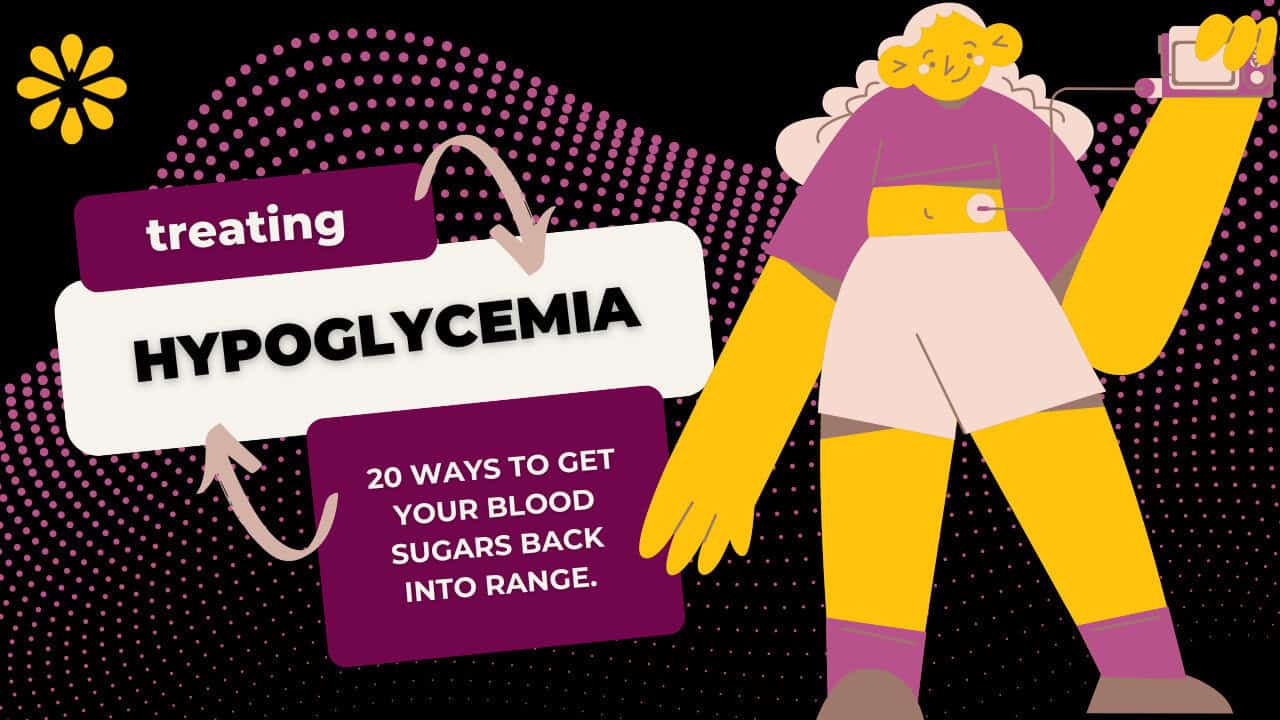

Managing low blood sugar, also known as hypoglycemia, can be challenging, especially for individuals with diabetes.
Whether you’re dealing with it yourself or supporting a loved one, knowing how to quickly and effectively raise blood sugar levels is crucial. Here are 20 nutritionist-approved tips to help you tackle low blood sugar with confidence.
In The Article
- What is Hypoglycemia?
- Quick Tips for Managing Low Blood Sugar
- 1. Consume Fast-Acting Carbohydrates
- 2. Follow the 15-15 Rule
- 3. Eat a Balanced Meal
- 4. Monitor Blood Sugar Levels Regularly
- 5. Avoid Alcohol on an Empty Stomach
- 6. Carry Emergency Snacks
- 7. Educate Family and Friends
- 8. Use a Glucagon Injection
- 9. Wear Medical Identification
- 10. Adjust Insulin Dosage
- 11. Plan Ahead for Physical Activity
- 12. Stay Hydrated
- 13. Recognize Symptoms Early
- 14. Have a Diabetes Management Plan
- 15. Choose Low Glycemic Index Foods
- 16. Balanced Snacking
- 17. Timing Meals
- 18. Incorporate Fiber-Rich Foods
- 19. Limit Sugary Treats
- 20. Maintain a Food Diary
- The Takeaway
What is Hypoglycemia?
Hypoglycemia occurs when blood sugar levels drop below normal. Symptoms can include shakiness, sweating, confusion, irritability, and even fainting.
It’s essential to address these symptoms as quickly as you to avoid severe complications.
If you are experiencing severe hypoglycemia, emergency Glucagon, and a call to 9-1-1 will be your first line of defense.
Quick Tips for Managing Low Blood Sugar
1. Consume Fast-Acting Carbohydrates
For immediate relief, opt for high-glycemic foods that can quickly raise blood sugar levels. Examples include:
- Glucose tablets
- Fruit juice
- Regular soda
- Candy
Fast acting carbohydrates can help you get out of the danger zone and
2. Follow the 15-15 Rule
Eat 15 grams of carbohydrates, wait 15 minutes, and then recheck your blood sugar levels. Repeat= your blood sugar levels haven’t yet reached your target range.
3. Eat a Balanced Meal
Include protein and complex carbohydrates in your meals to help stabilize blood sugar levels over time. Examples include:
- Whole grain toast with peanut butter
- Greek yogurt with berries
- Brown rice and grilled chicken breast
4. Monitor Blood Sugar Levels Regularly
Frequent monitoring can help you catch hypoglycemia early and take action before it becomes severe.
5. Avoid Alcohol on an Empty Stomach
Alcohol can lower blood sugar levels, especially when consumed without food. Always eat a balanced meal if you plan to drink.
6. Carry Emergency Snacks
Keep snacks like granola bars, nuts, or dried fruit handy for quick access when needed.
7. Educate Family and Friends
Ensure that those around you know how to recognize and treat hypoglycemia. Their support can be invaluable in an emergency.
8. Use a Glucagon Injection
For severe hypoglycemia, have a glucagon kit available and know how to use it. Ensure your family and friends are also trained.
9. Wear Medical Identification
A medical ID bracelet or necklace can inform others of your condition in an emergency, ensuring you get the help you need promptly.
10. Adjust Insulin Dosage
Consult with your healthcare provider to adjust insulin or medication dosages if necessary, especially if you notice frequent low blood sugar episodes.
11. Plan Ahead for Physical Activity
Eat a snack before exercising and monitor your blood sugar levels during and after physical activity to prevent drops.
12. Stay Hydrated
Drink plenty of water to help maintain stable blood sugar levels. Dehydration can affect your blood sugar regulation.
13. Recognize Symptoms Early
Be aware of symptoms like shakiness, sweating, confusion, and irritability. Acting quickly can prevent more severe hypoglycemia.
14. Have a Diabetes Management Plan
Work with a healthcare provider to develop a comprehensive plan for managing your blood sugar levels. This plan should include steps to take during hypoglycemic episodes.
15. Choose Low Glycemic Index Foods
Low glycemic index (GI) foods release glucose more slowly and steadily, helping to maintain stable blood sugar levels. Examples include:
- Whole grains
- Legumes
- Non-starchy vegetables
16. Balanced Snacking
Opt for balanced snacks that include both protein and carbohydrates to keep your blood sugar levels stable. Examples include:
- Apple slices with peanut butter
- Greek yogurt with berries
17. Timing Meals
Regularly scheduled meals can help keep your blood sugar levels consistent. Avoid skipping meals or going long periods without eating.
18. Incorporate Fiber-Rich Foods
Fiber slows the absorption of sugar, which can help stabilize blood sugar levels. Include foods like:
- Oats
- Chia seeds
- Vegetables
19. Limit Sugary Treats
While it’s important to treat low blood sugar quickly with fast-acting carbohydrates, avoid relying on sugary snacks regularly as they can cause spikes and crashes.
20. Maintain a Food Diary
Keeping track of what you eat and how it affects your blood sugar levels can help you identify patterns and make better dietary choices.
The Takeaway
Managing low blood sugar is a crucial aspect of living a healthy life, especially for people with diabetes. By incorporating these tips into your daily routine, you can better control your blood sugar levels and improve your overall well-being.
If you’re looking for personalized guidance on managing your blood sugar, consider booking a session with one of our Integrative Nutrition Health Coaches. We’re here to support you on your health journey every step of the way.
Remember, you are not alone in this journey and we are here to help you achieve optimal health! So let’s take small steps together towards a healthier you!
Take care, and we’ll see you in the next one! 🍎🥜🥕