

Get A Free, Weekly Diabetes Meal Plan
And have your carb counting done for you
Food Journal, Free Barcode Scans, and Nutrition Support in the Glucose Guide App.
b l o g


Rise and Regulate: A Morning Routine Guide for People with Diabetes

What you do in the first hour after waking can shape your entire day with diabetes. From when to check your blood sugar to what’s actually worth eating for breakfast, this post shares simple, science-backed steps that set you up for stability—and sanity.

Share

Picture this: your eyes crack open, you reach for your phone (I know you do – I do it it, too), and before you’ve even brushed your teeth, your blood sugar is already doing its own thing.

Mornings can be chaotic—socks never match, coffee spills, pets demand breakfast before you do—but if you’re living with diabetes, that first hour of the day can truly set the tone for your blood sugar and your sanity.

So let’s talk about what actually matters when it comes to diabetes and morning routines.
First Things First: What Should You Do Right After Waking Up?

Before your feet hit the floor, take a deep breath and remember—you’re in charge today. Here’s what a solid diabetes-friendly morning routine might look like:

  1. Hydrate. A glass of water first thing can help get your digestion, circulation, and metabolism moving.
  2. Check your blood sugar (more on that below).
  3. Move your body. Even light stretching or a 5-minute walk boosts insulin sensitivity.
  4. Plan your breakfast with intention. Don’t forget that Glucose Guide Food Diary can help you put your meals together.

What’s a Normal Blood Sugar Level When You Wake Up?

In general, most guidelines suggest that fasting blood glucose should fall between 80–120 mg/dL¹. If you’re consistently waking up above that range, it could be related to hormones like cortisol and growth hormone triggering something called the dawn phenomenon²—a natural rise in blood sugar in the early morning hours.

Not your fault, just your liver getting a little too excited.

When Should You Check Your Blood Sugar in the Morning?

Ideally? Within 15–30 minutes of waking up. Before coffee, before breakfast, before your brain starts making to-do lists.

This gives you a true fasting blood sugar reading—unaffected by caffeine, movement, or stress scrolling through the news. CGM users: yep, you too. It’s still good to anchor your day with a known number.

Your first reading of the day is a great baseline, so make sure you’re paying attention to how you start the day.

What Should You Eat for Breakfast?
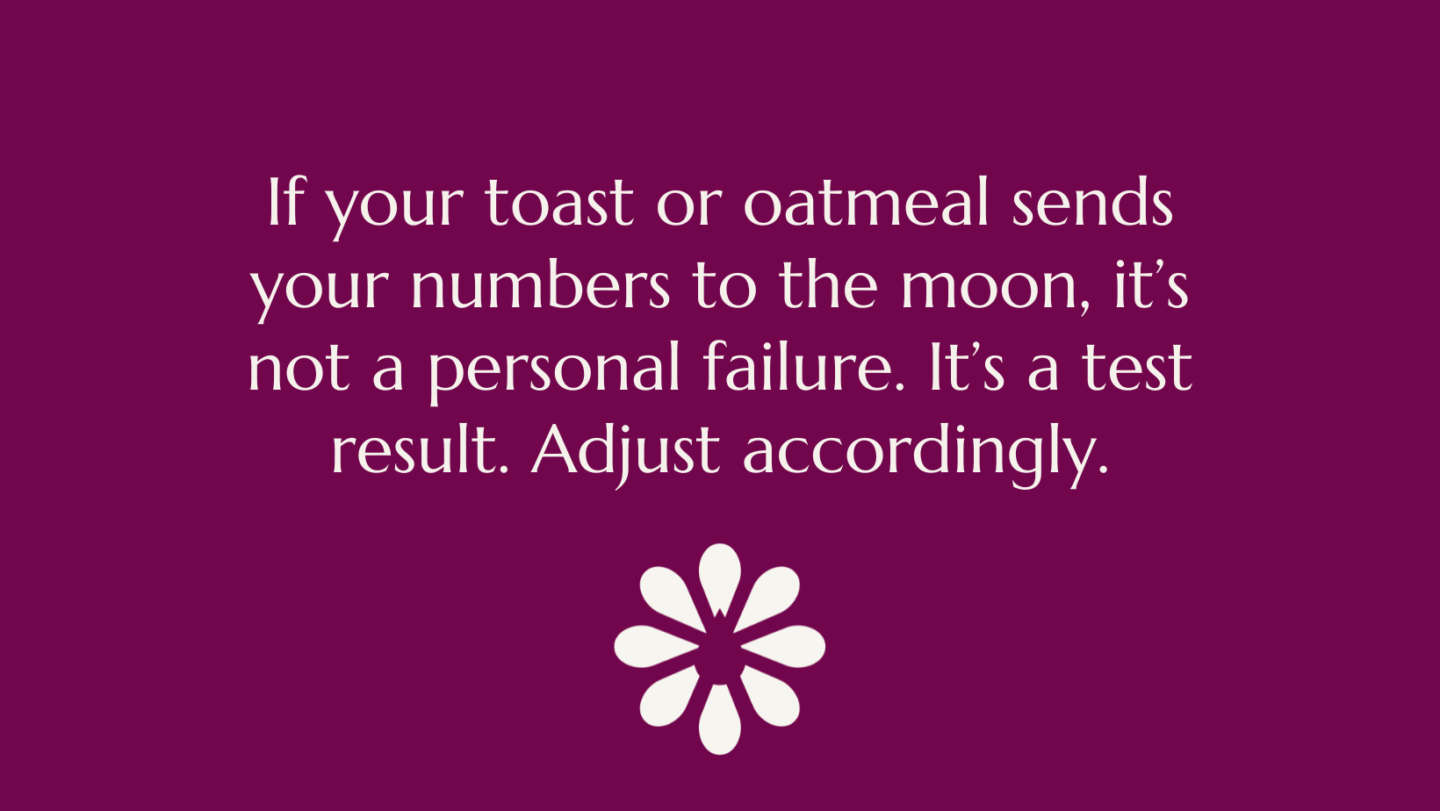
Text on deep purple background with a white flower symbol: “If your toast or oatmeal sends your numbers to the moon, it’s not a personal failure. It’s a test result. Adjust accordingly.”

Your goal is stable energy and steady blood sugars. That means building breakfast around balanced macros: complex carbs, protein, fiber, and healthy fats.

Here’s a basic formula:

  • Complex carb (like oats, sweet potato, or fruit)
  • Protein (like eggs, yogurt, or tofu)
  • Healthy fat (like chia seeds or avocado)

Example Combos:

  • Oatmeal with chia seeds, almond butter, and cinnamon
  • Whole grain toast + scrambled eggs + avocado
  • A tofu scramble with spinach and salsa
  • We have lots of diabetes-friendly breakfast recipes that we’ve tested on blood sugars.

Research backs this up: one study found that a high-protein breakfast improved post-meal blood sugar and reduced hunger later in the day³. So, yes—protein is your new breakfast ride-or-die.

What’s a Normal Blood Sugar After Breakfast?

Most clinical guidelines recommend keeping blood sugar under 180 mg/dL 1–2 hours after a meal⁴. If you’d like to keep your ranges tighter, you’ll want to aim for 140 mg/dL or lower.

If you’re consistently above that, it may be time to tweak your breakfast ingredients or portion sizes—or talk with your healthcare team about timing or dosing of medications.

Pro tip: tracking these post-breakfast patterns for just one week can tell you a lot about what foods work best for your body.

Final Thoughts From Your Health Coach

A pink coffee mug sits beside an open book on a wooden table. Overlayed text reads: “You don’t need a perfect morning. You just need a purposeful one.” The Hangry Woman logo is included below the text.

You don’t need to become a morning person overnight. But even small adjustments—like starting with water, checking your blood sugar consistently, and eating a protein-rich breakfast—can lead to better days and steadier numbers.

Mornings are your reset button. Press it with purpose.

References

  1. American Diabetes Association. 6. Glycemic targets: Standards of Medical Care in Diabetes—2024. Diabetes Care. 2024;47(Suppl 1):S113-S122. doi:10.2337/dc24-S006
  2. The dawn phenomenon and the Somogyi effect – two phenomena of morning hyperglycaemia. PubMed. Published 2011. https://pubmed.ncbi.nlm.nih.gov/21717414/
  3. Jakubowicz D, Wainstein J, Landau Z, et al. High-energy breakfast with low-energy dinner improves hyperglycemia and weight loss in type 2 diabetes. Nutrients. 2021;13(3):861. doi:10.3390/nu13030861
  4. American Diabetes Association. 2. Classification and diagnosis of diabetes: Standards of Medical Care in Diabetes—2024. Diabetes Care. 2024;47(Suppl 1):S16-S38. doi:10.2337/dc24-S002

Go ad-Free with
glucose guide app

Transform the way you manage diabetes with free tools and support designed just for you from a board certified health coach.

🥐 Carb estimation and analysis tools.
🍳 Cook with Confidence: Meal plans, grocery lists + carb tracking.
💡 Coaching at Your Fingertips: Expert guidance to stay on track
🤝 Join a Thriving Community: Connect with others who get it
💪 Build Your Confidence: Take charge of your health with ease
🚫 No Display Ads 

Feel supported, empowered, and in control.

Leave a Reply

Your email address will not be published. Required fields are marked *

Another serving?

Desserts

Blueberry Cottage Cheese Cheesecake Recipe

This blueberry cottage cheese cheesecake is a creamy, higher-protein dessert made with cottage cheese, Greek yogurt, blueberries, and jam. Learn why it can be a more balanced dessert option for people with diabetes, plus get easy tips for portions and blood sugar awareness.

Read More

Rise and Regulate: A Morning Routine Guide for People with Diabetes

What you do in the first hour after waking can shape your entire day with diabetes. From when to check your blood sugar to what’s actually worth eating for breakfast, this post shares simple, science-backed steps that set you up for stability—and sanity.
Share the Post:

More to devour

Weekly meal plans for your inbox

Strawberry lemonade ice pops stacked on top of each other.
Picture of Mila Clarke, MS, NBC-HWC

Mila Clarke, MS, NBC-HWC

Mila Clarke is a Board Certified Health and Wellness Coach, an author, self-taught cook, nutritionist and Integrative Nutrition Diabetes Health Coach, diabetes advocate and founder of Hangry Woman and The Glucose Guide App. Hangry Woman aims to take away the shame and stigma that comes with a diabetes diagnosis and covers topics like diabetes management, cooking, and self-care from the perspective of someone living with the chronic condition. Her book –– The Diabetes Food Journal –– Is one of the most sought after diabetes self-management tools for patients. Her online community – Glucose Guide – offers affordable health coaching, hundreds of diabetes-friendly recipes and community peer support. Mila has been featured by CNN, The New York Times, Eat This Not That, USA Today, Good Housekeeping and WebMD. She contributes to Healthline, The Washington Post, DiaTribe, and EatingWell Magazine. Mila lives in Houston, Texas with her Miniature Poodle, Noodle.

High-Protein Diabetes Meal Plan for the Week: A Simple, Balanced Menu With More Snack Variety

A high-protein diabetes meal plan can make it easier to build balanced meals, stay full longer, and support steadier blood sugars. This week’s menu includes ...
Read More →

Blueberry Cottage Cheese Cheesecake Recipe

This blueberry cottage cheese cheesecake is a creamy, higher-protein dessert made with cottage cheese, Greek yogurt, blueberries, and jam. Learn why it can be a ...
Read More →
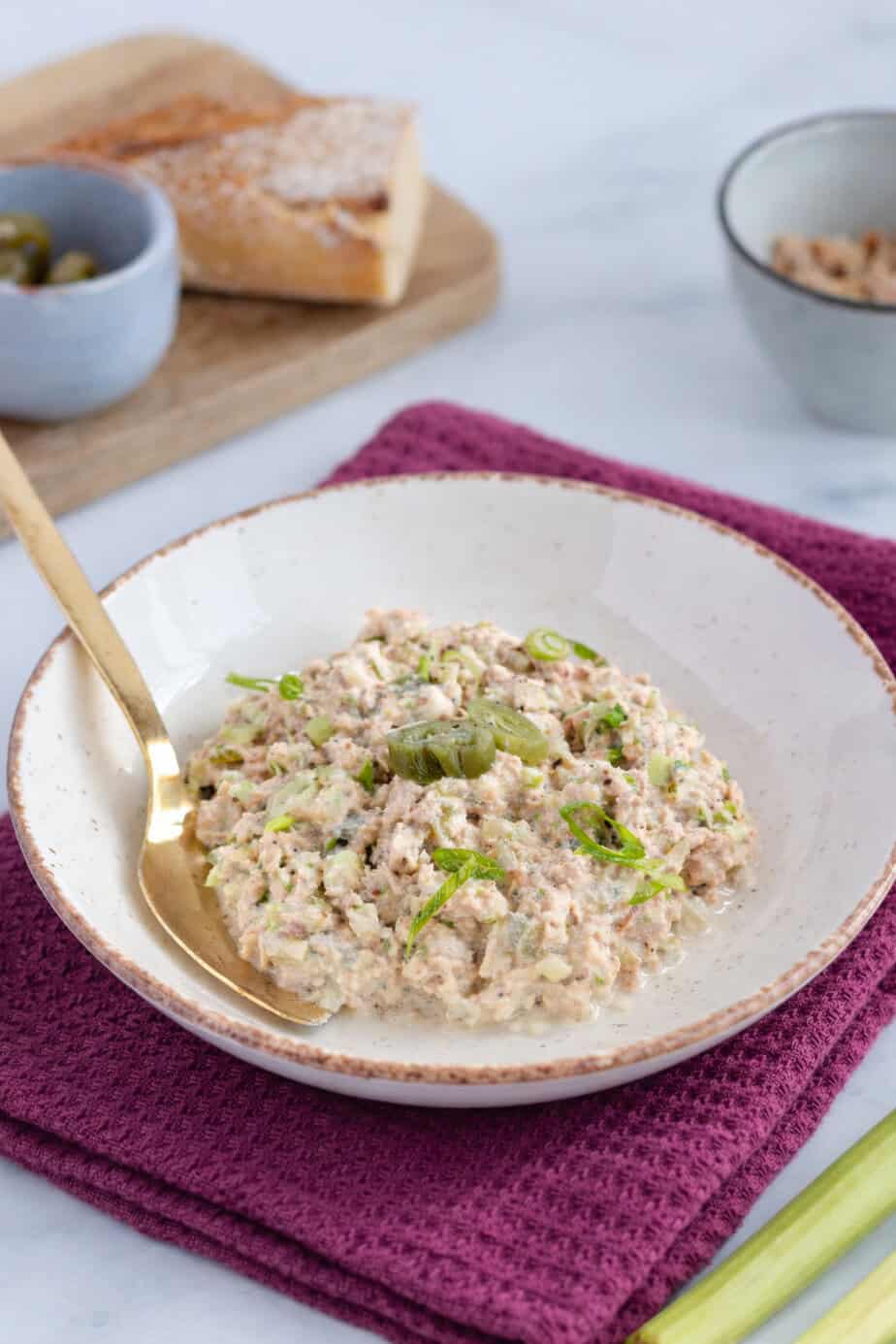
spicy tuna salad

Spicy Tuna Salad for Diabetes: An Easy, High-Protein Lunch for Busy Days

This spicy tuna salad is an easy, single-serving lunch idea for people with diabetes. It is packed with protein, simple to make, full of flavor, ...
Read More →
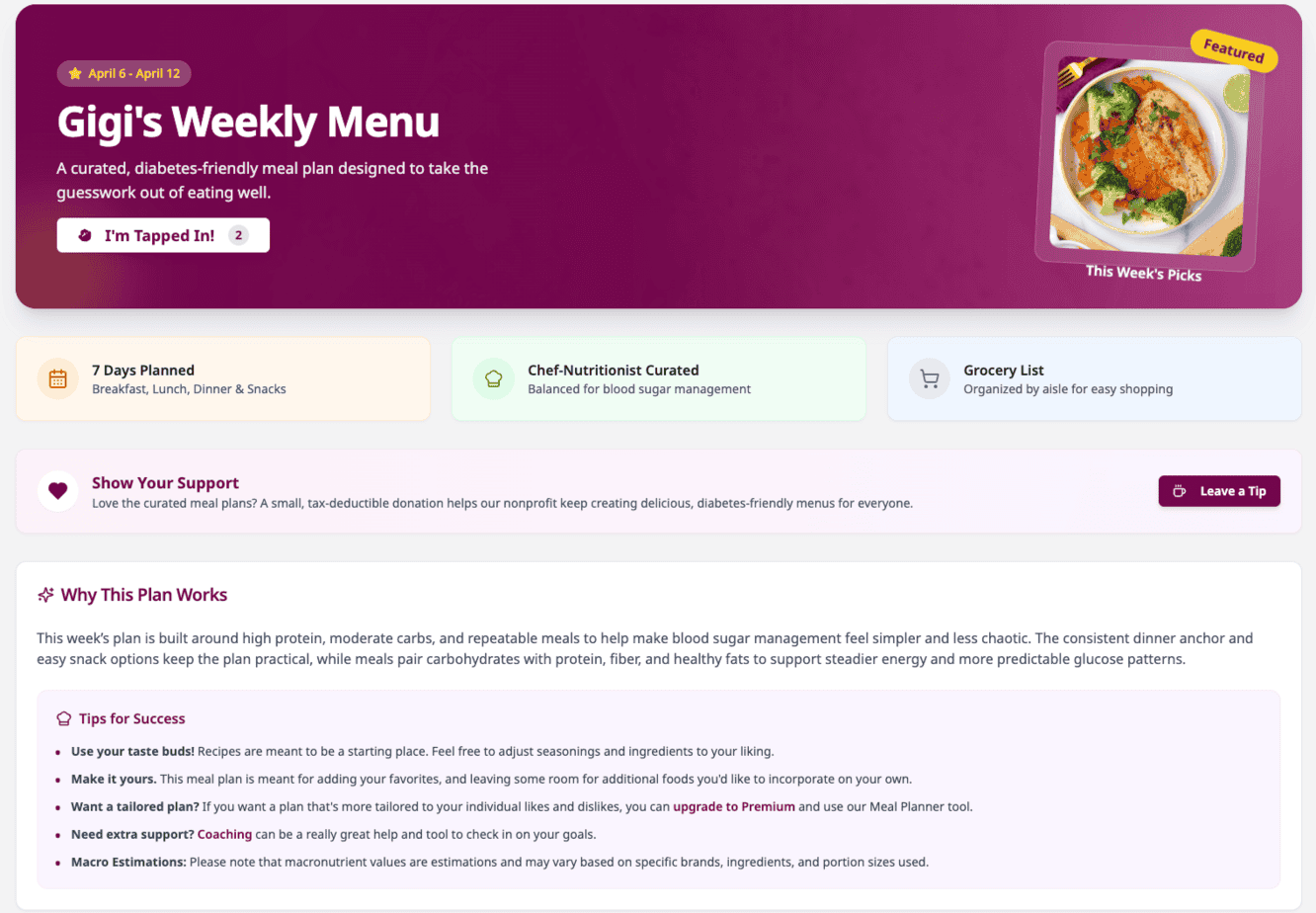
Glucose Guide Diabetes Meal Plan

Diabetes-Friendly Meal Plan for the Week: Why It Works for Stable Blood Sugars

This week’s diabetes-friendly meal plan is built around high-protein meals, fiber-rich ingredients, intentional carbs, and repeatable dishes that can help support steadier blood sugars. Here’s ...
Read More →

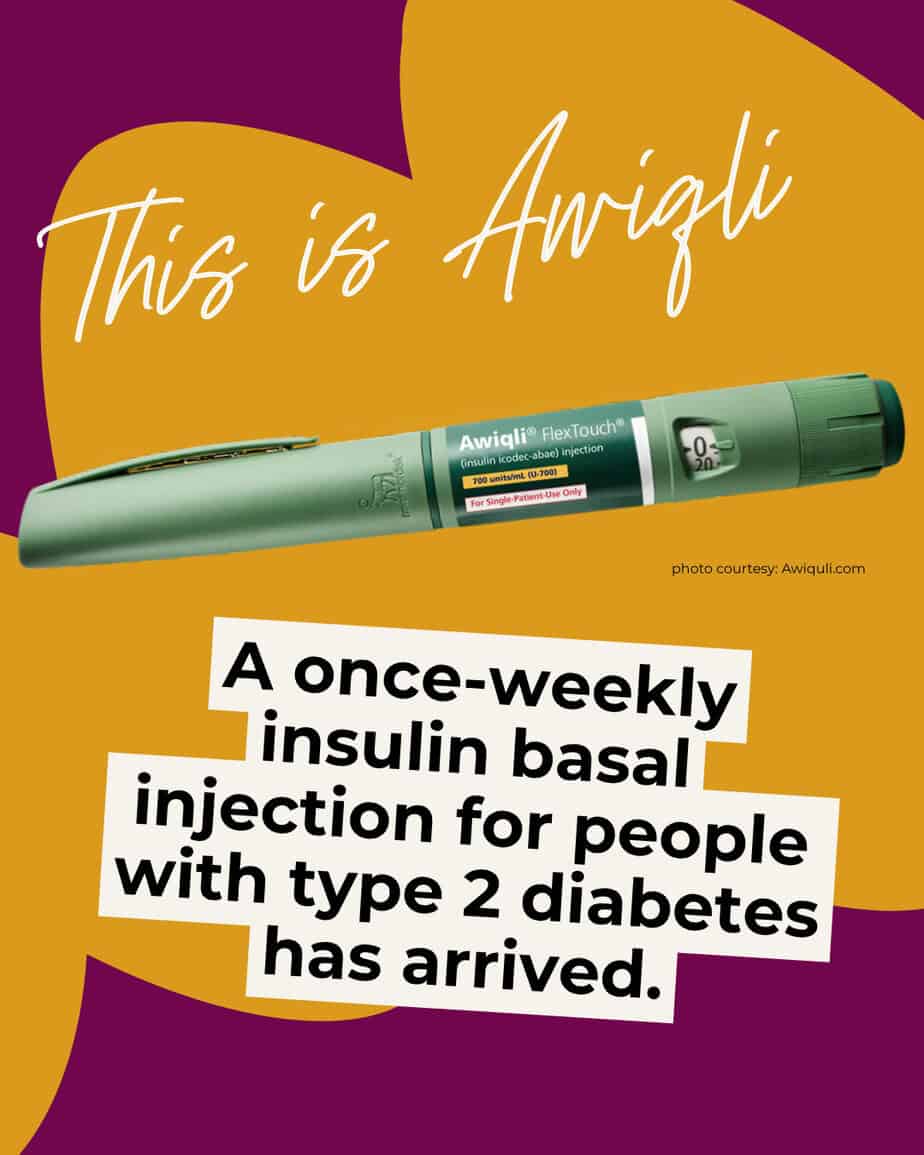
Awiqli, the Once-Weekly Basal Insulin: Why It’s Interesting, What to Consider, and Why Support Still Matters

Awiqli, the first FDA-approved once-weekly basal insulin for adults with type 2 diabetes, could change how some people approach insulin therapy. Here’s what makes it ...
Read More →
Glucose Guide Diabetes Meal Plan

7-Day Diabetes Meal Plan for Better Blood Sugar: A High-Protein Glucose Guide for Real Life

This 7-day diabetes meal plan from Glucose Guide features high-protein, balanced meals designed to support blood sugar, reduce decision fatigue, and make meal planning feel ...
Read More →

Tired of guessing what to eat for blood sugar balance?

Join the list for free weekly meal plans, created by a nutritionist that fit real life with diabetes. Plus, access our carb counting tools.

Healthy, tasty foods!

Sign up for good-for-you recipes!

Secured By miniOrange