

Get A Free, Weekly Diabetes Meal Plan
And have your carb counting done for you
Food Journal, Free Barcode Scans, and Nutrition Support in the Glucose Guide App.
b l o g


Risk factors for Type 2 Diabetes

Fruits and veggies
We'll discuss the different risk factors for diabetes as well as how to get screened for early treatment and prevention.

Share

Diabetes is a serious disease that affects millions of people and their families every year. It can lead to complications like heart attack, stroke, blindness, kidney failure and more.

If you’re worried about what diabetes risk factors there are or if diabetes runs in your family, this blog post will help you determine risk factors that may signal you to ask your doctor about testing for diabetes.

We’ll discuss the different risk factors for diabetes as well as how to get screened for early treatment and prevention.

There are many different types of diabetes, but they all have one thing in common: a person with diabetes is responsible for managing their blood sugars.

With some types of diabetes, the body can’t produce enough insulin to break down sugars and starches or there isn’t an adequate response from cells when insulin is present.

In other types, blood sugars may be high because the pancreas has been removed, a genetic mutation is present, or there’s a gene mutation.

With type 2 diabetes, there are a number of risk factors present that can tell you if your risk for diabetes is increased.

What is a risk factor?

A risk factor means that there’s something that increases your susceptibility to something else.

These risk factors don’t necessarily mean you will get diabetes, but they can increase your likelihood of high blood sugars, which is why it’s important to be aware of them.

What are risk factors for type 2 diabetes?

Weight. The more fatty tissue you have, the more resistant your cells become to insulin.

Inactivity. If you don’t move enough or if you always sit for long periods of time, this can lead to muscle and fat loss which will cause an increase in blood sugars.

This is especially true with people who perform a lot of desk work throughout the day.

When you don’t get enough exercise or physical activity, not only does this increase your risk of type two diabetes but also increases the chance of other health problems.

Routine exercise is shown to have remarkable impacts on diabete management.

Family History. If you have a family member with diabetes, then your risk for developing diabetes increases 2-4 times. If you have a family history of diabetes, consider getting tested for the condition.

Race or Ethnicity. The risk for type two diabetes also increases in people of African American and Hispanic descent as well as those who are Asian-American Pacific Islander Native American.

Age: Because you tend to exercise less, lose muscle mass and gain weight as you age, your body can start to use the insulin you produce less efficiently, and the risk of diabetes increases.

Gestational Diabetes: If you had gestational diabetes during your last pregnancy, you have a 50% chance of developing type two diabetes in the next ten years.

Polycystic Ovary Syndrome: This is an endocrine condition which causes an imbalance between male and female sex hormones that can lead to insulin resistance. That insulin resistance can result in the onset of type 2 diabetes.

High blood pressure: This can cause your arteries to become hardened and narrow, which makes it difficult for insulin to reach the cells in muscles that need it.

Social Determinants of Health

While the five Social Determinants of Health are not risk factors themselves, they can play a role in understanding the disparities for certain communities.

The 5 determinants – economic stability, education access and quality, health care access and quality, neighborhood and built environment, social and community context – can reveal a lot about barriers to access that affect health outcomes and increase diabetes risk.

For example, people without transportation, or who don’t have access to stores with healthy foods may not have the ability to prepare nutritious meals.

Maybe a person is working multiple jobs to make ends meet and that doesn’t give them much free time to fit a workout into their day.

A person could not have a primary care doctor, or clinic in their neighborhood that can help them get screened for diabetes.

Disparities like this one have a direct impact on communities and health.

Understand your diabetes risk and get screened

There’s no way to predict who will get type 2 diabetes and when it might happen, but there are many things that can increase your risk including being overweight or inactive; having a parent with type two diabetes; belonging to an ethnic group known for higher rates of diabetes.

Always talk to your health care provider about your diabetes risk and be sure to get an annual physical to screen for diabetes.

Go ad-Free with
glucose guide app

Transform the way you manage diabetes with free tools and support designed just for you from a board certified health coach.

🥐 Carb estimation and analysis tools.
🍳 Cook with Confidence: Meal plans, grocery lists + carb tracking.
💡 Coaching at Your Fingertips: Expert guidance to stay on track
🤝 Join a Thriving Community: Connect with others who get it
💪 Build Your Confidence: Take charge of your health with ease
🚫 No Display Ads 

Feel supported, empowered, and in control.

Leave a Reply

Your email address will not be published. Required fields are marked *

Another serving?

Desserts

Blueberry Cottage Cheese Cheesecake Recipe

This blueberry cottage cheese cheesecake is a creamy, higher-protein dessert made with cottage cheese, Greek yogurt, blueberries, and jam. Learn why it can be a more balanced dessert option for people with diabetes, plus get easy tips for portions and blood sugar awareness.

Read More
Fruits and veggies

Risk factors for Type 2 Diabetes

We'll discuss the different risk factors for diabetes as well as how to get screened for early treatment and prevention.
Share the Post:

More to devour

Weekly meal plans for your inbox

Strawberry lemonade ice pops stacked on top of each other.
Picture of Mila Clarke, MS, NBC-HWC

Mila Clarke, MS, NBC-HWC

Mila Clarke is a Board Certified Health and Wellness Coach, an author, self-taught cook, nutritionist and Integrative Nutrition Diabetes Health Coach, diabetes advocate and founder of Hangry Woman and The Glucose Guide App. Hangry Woman aims to take away the shame and stigma that comes with a diabetes diagnosis and covers topics like diabetes management, cooking, and self-care from the perspective of someone living with the chronic condition. Her book –– The Diabetes Food Journal –– Is one of the most sought after diabetes self-management tools for patients. Her online community – Glucose Guide – offers affordable health coaching, hundreds of diabetes-friendly recipes and community peer support. Mila has been featured by CNN, The New York Times, Eat This Not That, USA Today, Good Housekeeping and WebMD. She contributes to Healthline, The Washington Post, DiaTribe, and EatingWell Magazine. Mila lives in Houston, Texas with her Miniature Poodle, Noodle.

High-Protein Diabetes Meal Plan for the Week: A Simple, Balanced Menu With More Snack Variety

A high-protein diabetes meal plan can make it easier to build balanced meals, stay full longer, and support steadier blood sugars. This week’s menu includes ...
Read More →

Blueberry Cottage Cheese Cheesecake Recipe

This blueberry cottage cheese cheesecake is a creamy, higher-protein dessert made with cottage cheese, Greek yogurt, blueberries, and jam. Learn why it can be a ...
Read More →
spicy tuna salad

Spicy Tuna Salad for Diabetes: An Easy, High-Protein Lunch for Busy Days

This spicy tuna salad is an easy, single-serving lunch idea for people with diabetes. It is packed with protein, simple to make, full of flavor, ...
Read More →
Glucose Guide Diabetes Meal Plan

Diabetes-Friendly Meal Plan for the Week: Why It Works for Stable Blood Sugars

This week’s diabetes-friendly meal plan is built around high-protein meals, fiber-rich ingredients, intentional carbs, and repeatable dishes that can help support steadier blood sugars. Here’s ...
Read More →

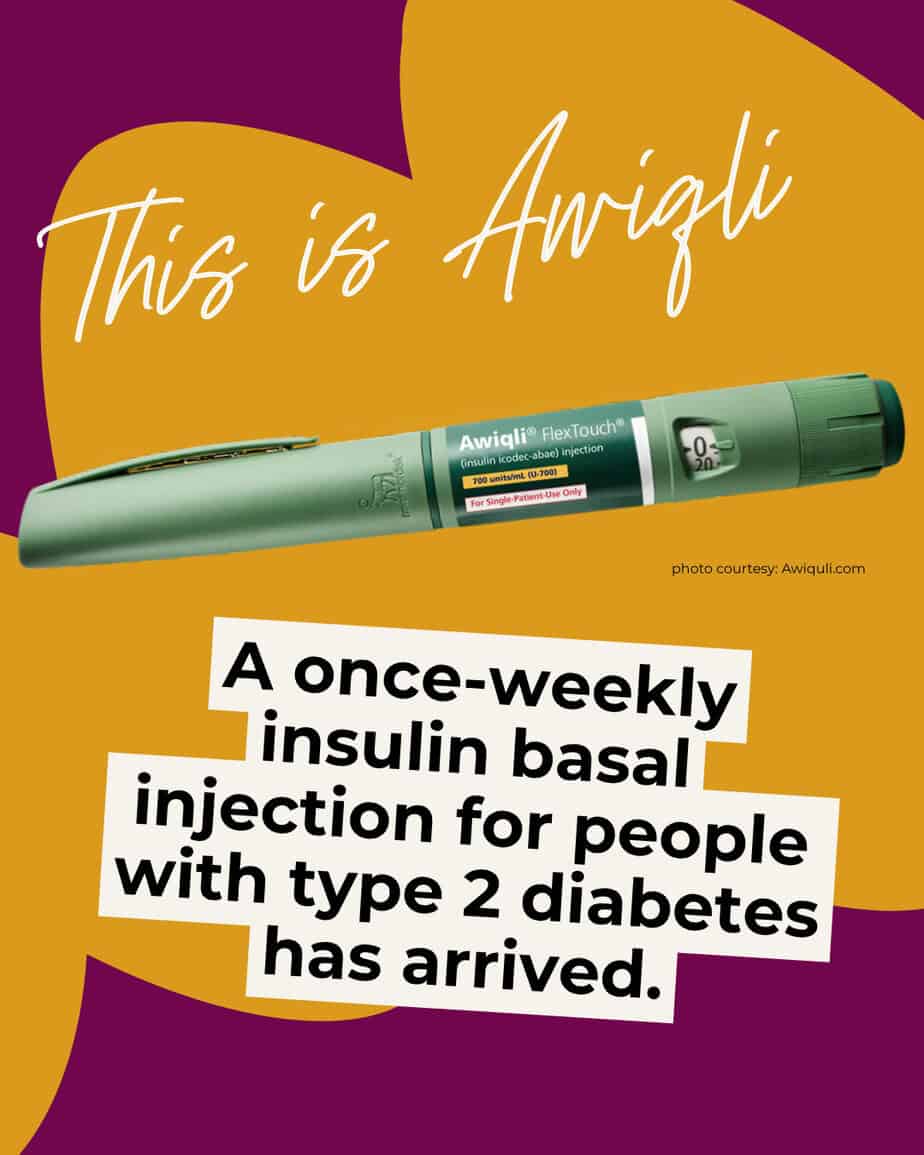
Awiqli, the Once-Weekly Basal Insulin: Why It’s Interesting, What to Consider, and Why Support Still Matters

Awiqli, the first FDA-approved once-weekly basal insulin for adults with type 2 diabetes, could change how some people approach insulin therapy. Here’s what makes it ...
Read More →
Glucose Guide Diabetes Meal Plan

7-Day Diabetes Meal Plan for Better Blood Sugar: A High-Protein Glucose Guide for Real Life

This 7-day diabetes meal plan from Glucose Guide features high-protein, balanced meals designed to support blood sugar, reduce decision fatigue, and make meal planning feel ...
Read More →

Tired of guessing what to eat for blood sugar balance?

Join the list for free weekly meal plans, created by a nutritionist that fit real life with diabetes. Plus, access our carb counting tools.

Healthy, tasty foods!

Sign up for good-for-you recipes!

Secured By miniOrange