
Get A Free, Weekly Diabetes Meal Plan
And have your carb counting done for you
Food Journal, Free Barcode Scans, and Nutrition Support in the Glucose Guide App.
b l o g


Tackling Cardiovascular Disease Risks in Type 2 Diabetes: How to Protect Your Heart and Health

Learn how to reduce cardiovascular disease risks associated with type 2 diabetes. This guide covers essential strategies for protecting your heart health, managing blood sugar, and making lifestyle changes to reduce your risk of heart complications. Empower your journey toward a healthier heart with practical tips and expert insights.

Share

Thanks to MedIQ CME and Boston University Chobanian & Avedisian School of Medicine. This activity is supported by an educational grant from Novo Nordisk.

Your Voice Matters: Participate in Our Survey

Living with type 2 diabetes (T2D) presents unique challenges, including an increased risk for cardiovascular disease (CVD). Cardiovascular disease (CVD) is one of the most prevalent comorbidities of type 2 diabetes mellitus (T2DM) and the primary cause of death in patients with T2DM.

This is because diabetes impacts blood vessels and heart function. However, there’s good news: new strategies, medications, and lifestyle changes can significantly reduce the risk of CVD for people with T2D.

The first step of doing better, is knowing more.
Graphic with a purple background featuring the words 'Diabetes & Cardiovascular Disease' in the top left. An ECG line runs across the image in black, symbolizing a heartbeat. In the bottom right corner, the phrase 'what's the risk?' is written in yellow cursive font. A yellow flower-like graphic is in the top right corner.

The T2D and CVD Connection

CVD risk varies among people with T2D based on additional risk factors like high blood pressure, cholesterol levels, and family history.

Younger patients with T2D may have a lower risk if they don’t have other conditions, but as we age, CVD risk increases, especially when we accumulate additional risk factors.It’s important to understand that CVD can present in different ways. 

Aside from heart disease and stroke, heart failure and atrial fibrillation (AFib) are also common complications that may arise from living with T2D. So, what can we do to stay informed and empowered in our healthcare journey?

Talking to Your Healthcare Provider

One of the best ways to lower your risk is to have open conversations with your healthcare provider

Ask about the key markers of CVD, such as your cholesterol levels, blood pressure, and microalbumin levels. 

Be sure to inquire about your family’s heart health history, as it can provide clues about your own risk. Starting these conversations can be the first step toward understanding and  reducing your cardiovascular risk.

Medications That Do More Than Lower Blood Sugar

Many people with T2D are unaware that certain diabetes medications can do more than just lower glucose levels—they can also protect against heart disease and stroke. 

Two classes of drugs, GLP-1 RAs (glucagon-like peptide 1 receptor agonists) and SGLT-2 inhibitors (sodium-glucose cotransporter 2 inhibitors), have been shown to reduce CVD risk in people living with T2D.

The American Diabetes Association (ADA) now recommends these medications for patients with T2D who have risk factors for heart disease and stroke.

But remember, medication is only part of the equation. Physical activity, diet, and other lifestyle factors are crucial for managing your heart health.

Lifestyle Maintenance and Cardiovascular Disease Risk

While medications are crucial in reducing the risk of cardiovascular disease, adopting heart-healthy lifestyle habits is equally essential. Here are three key lifestyle factors to focus on:

  1. Physical Activity Regular exercise is one of the most effective ways to improve heart health, lower blood pressure, and reduce cholesterol. Studies show that engaging in 150 minutes of moderate exercise per week can significantly reduce cardiovascular events in people with T2D.
  2. Balanced Diet Following a diet rich in whole grains, lean proteins, fruits, vegetables, and healthy fats (like the Mediterranean diet) can promote heart health by improving cholesterol levels and supporting blood sugar control. The PREDIMED trial, published in The New England Journal of Medicine, showed that the Mediterranean diet can significantly lower the risk of major cardiovascular events.
  3. Stress Management Chronic stress has been linked to higher blood pressure and poor heart health. Incorporating relaxation techniques like meditation and yoga can help reduce stress and support heart health.
  4. Work with a Board Certified Health Coach You don’t have to go at your health goals alone. Working with a Health Coach can help you shift your mindset, go back to the basics, and plan out your way forward.

Your feedback can help improve future resources and empower people with diabetes to make informed decisions about their heart health.


Yellow background graphic with the heading 'Share Your T2D Experience' in bold purple text at the top. Below, a series of faces with various expressions, from sad to happy, are shown in orange, yellow, and green. A purple speech bubble in the center contains a neutral face. Text below the bubble reads 'Take this 5-minute survey and get entered to win a $100 Visa gift card' with a small megaphone icon. At the bottom, 'HANGRY woman' is written in bold purple text, with 'in partnership with Med IQ' in smaller text underneath.

Go ad-Free with
glucose guide app

Transform the way you manage diabetes with free tools and support designed just for you from a board certified health coach.

🥐 Carb estimation and analysis tools.
🍳 Cook with Confidence: Meal plans, grocery lists + carb tracking.
💡 Coaching at Your Fingertips: Expert guidance to stay on track
🤝 Join a Thriving Community: Connect with others who get it
💪 Build Your Confidence: Take charge of your health with ease
🚫 No Display Ads 

Feel supported, empowered, and in control.

Leave a Reply

Your email address will not be published. Required fields are marked *

Another serving?

Desserts

Blueberry Cottage Cheese Cheesecake Recipe

This blueberry cottage cheese cheesecake is a creamy, higher-protein dessert made with cottage cheese, Greek yogurt, blueberries, and jam. Learn why it can be a more balanced dessert option for people with diabetes, plus get easy tips for portions and blood sugar awareness.

Read More

Tackling Cardiovascular Disease Risks in Type 2 Diabetes: How to Protect Your Heart and Health

Learn how to reduce cardiovascular disease risks associated with type 2 diabetes. This guide covers essential strategies for protecting your heart health, managing blood sugar, and making lifestyle changes to reduce your risk of heart complications. Empower your journey toward a healthier heart with practical tips and expert insights.
Share the Post:

More to devour

Weekly meal plans for your inbox

Strawberry lemonade ice pops stacked on top of each other.
Picture of Mila Clarke, MS, NBC-HWC

Mila Clarke, MS, NBC-HWC

Mila Clarke is a Board Certified Health and Wellness Coach, an author, self-taught cook, nutritionist and Integrative Nutrition Diabetes Health Coach, diabetes advocate and founder of Hangry Woman and The Glucose Guide App. Hangry Woman aims to take away the shame and stigma that comes with a diabetes diagnosis and covers topics like diabetes management, cooking, and self-care from the perspective of someone living with the chronic condition. Her book –– The Diabetes Food Journal –– Is one of the most sought after diabetes self-management tools for patients. Her online community – Glucose Guide – offers affordable health coaching, hundreds of diabetes-friendly recipes and community peer support. Mila has been featured by CNN, The New York Times, Eat This Not That, USA Today, Good Housekeeping and WebMD. She contributes to Healthline, The Washington Post, DiaTribe, and EatingWell Magazine. Mila lives in Houston, Texas with her Miniature Poodle, Noodle.

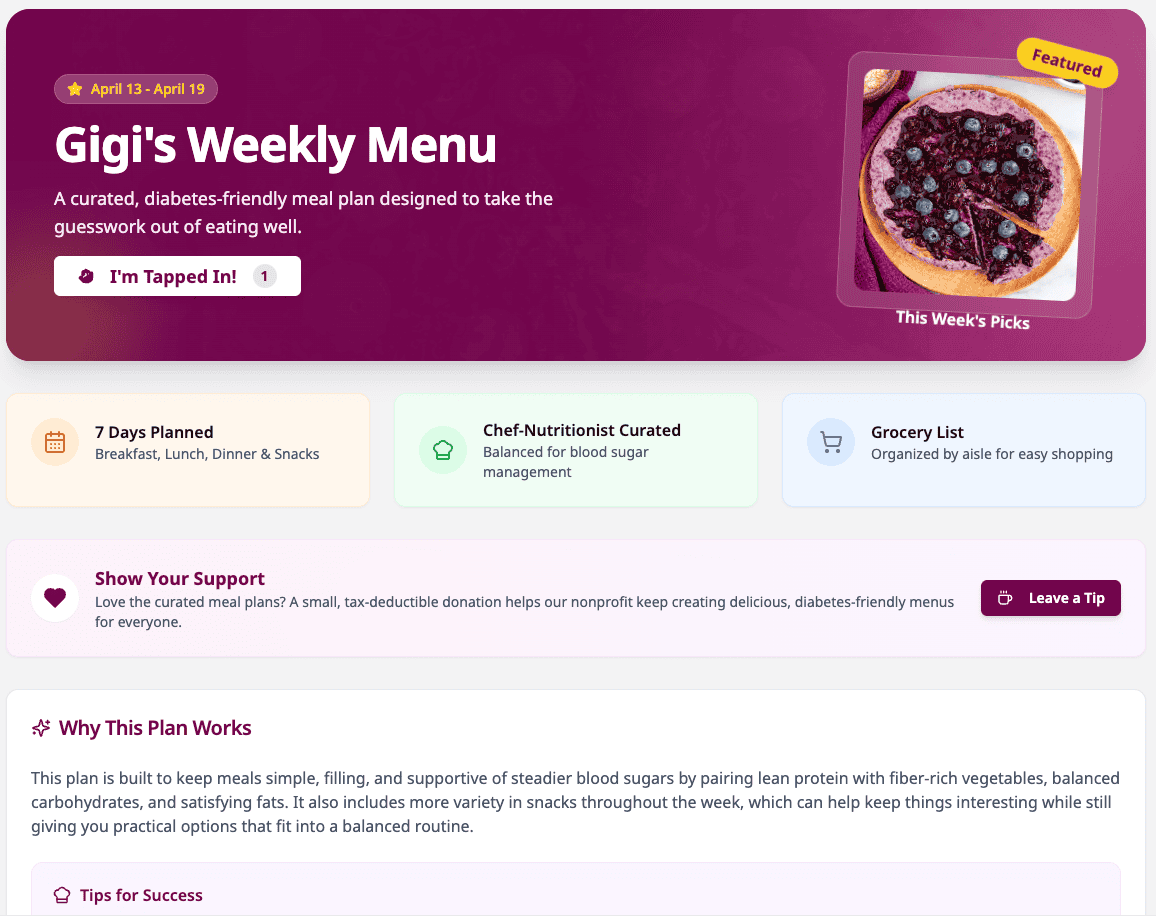
High-Protein Diabetes Meal Plan for the Week: A Simple, Balanced Menu With More Snack Variety

A high-protein diabetes meal plan can make it easier to build balanced meals, stay full longer, and support steadier blood sugars. This week’s menu includes ...
Read More →

Blueberry Cottage Cheese Cheesecake Recipe

This blueberry cottage cheese cheesecake is a creamy, higher-protein dessert made with cottage cheese, Greek yogurt, blueberries, and jam. Learn why it can be a ...
Read More →
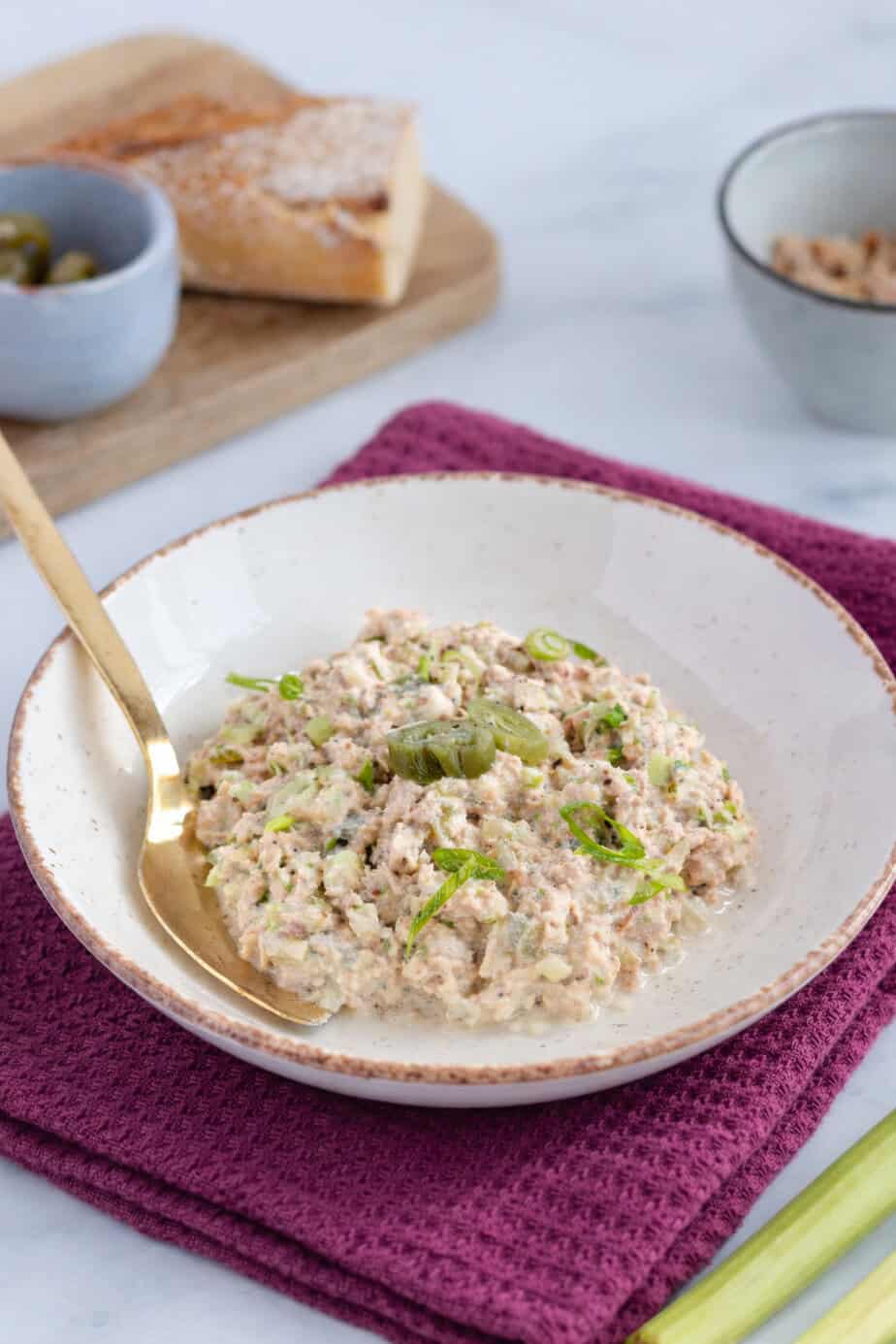
spicy tuna salad

Spicy Tuna Salad for Diabetes: An Easy, High-Protein Lunch for Busy Days

This spicy tuna salad is an easy, single-serving lunch idea for people with diabetes. It is packed with protein, simple to make, full of flavor, ...
Read More →
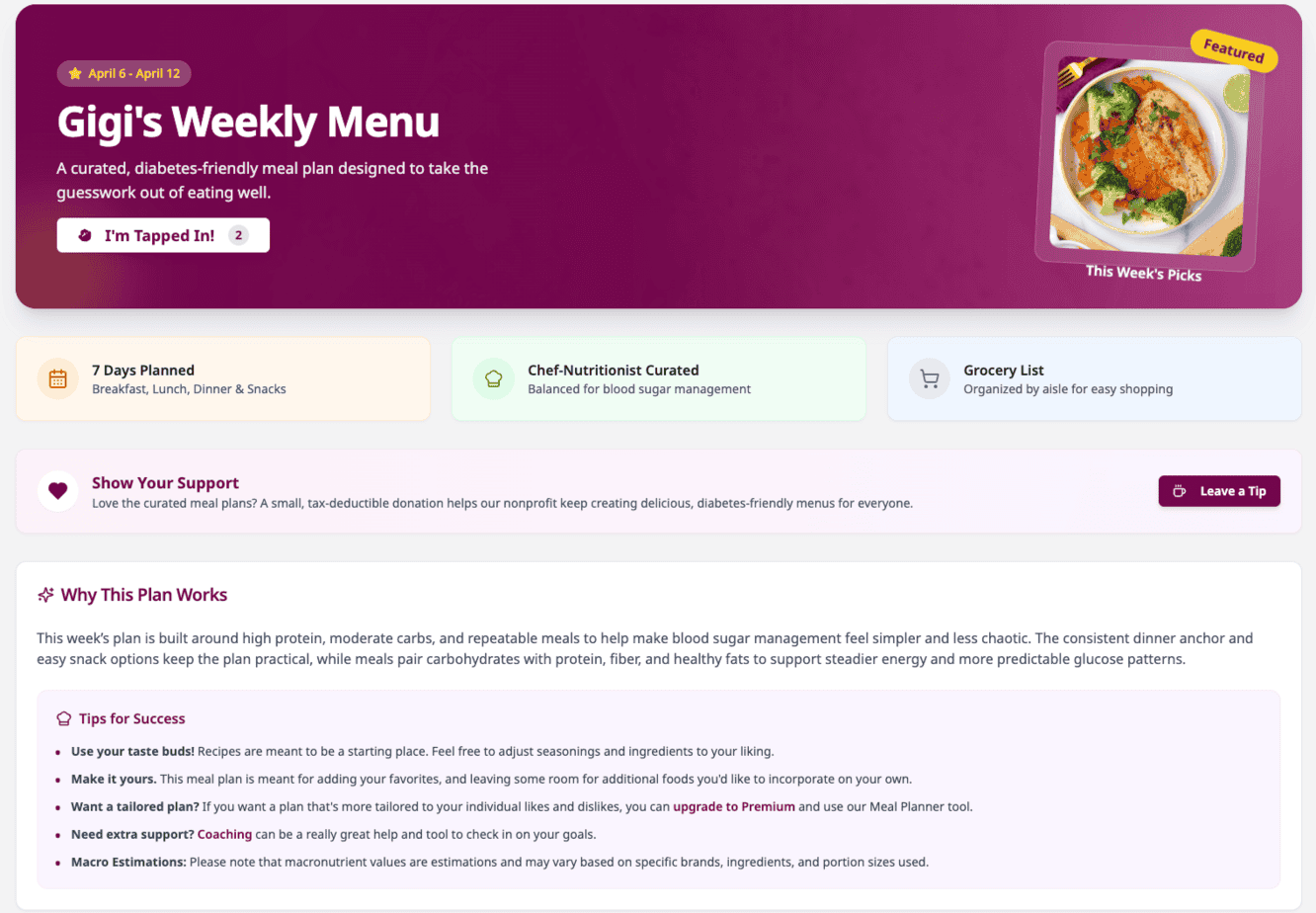
Glucose Guide Diabetes Meal Plan

Diabetes-Friendly Meal Plan for the Week: Why It Works for Stable Blood Sugars

This week’s diabetes-friendly meal plan is built around high-protein meals, fiber-rich ingredients, intentional carbs, and repeatable dishes that can help support steadier blood sugars. Here’s ...
Read More →

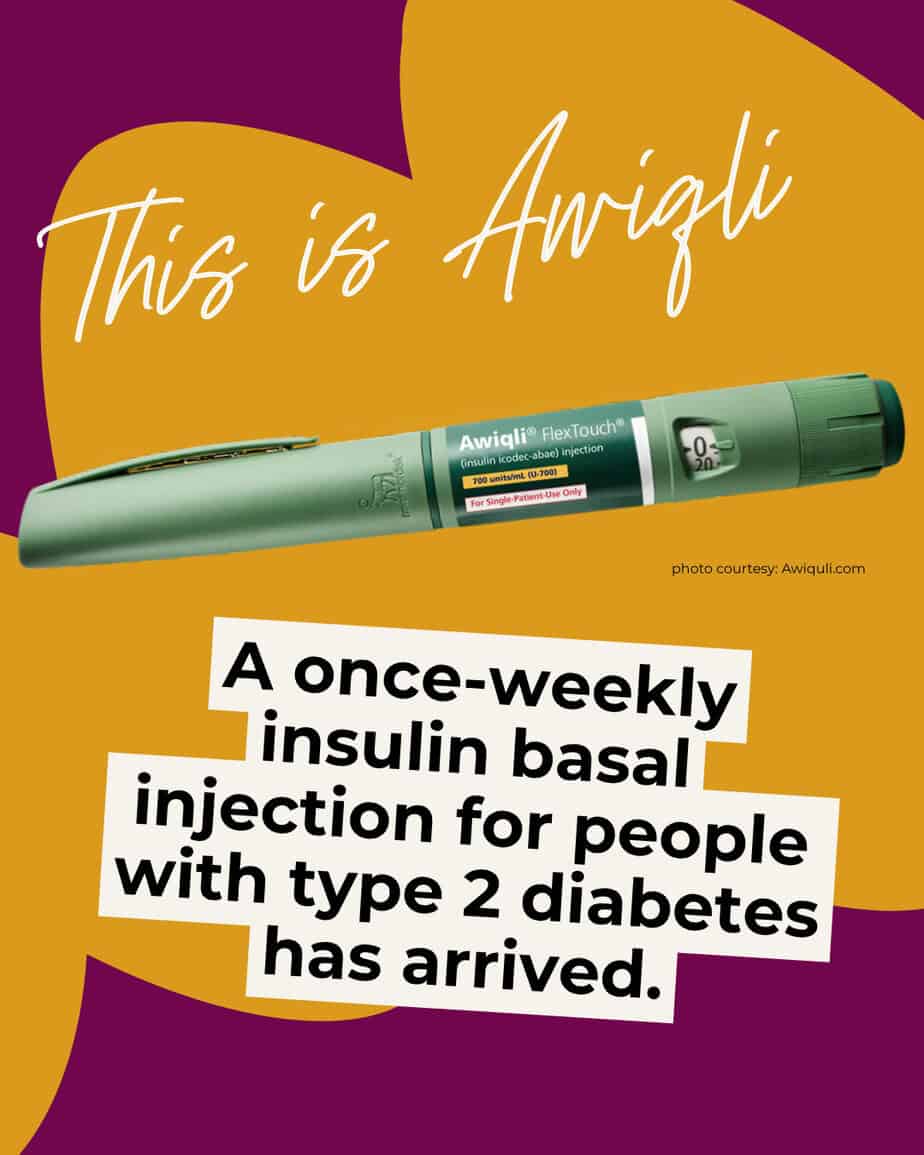
Awiqli, the Once-Weekly Basal Insulin: Why It’s Interesting, What to Consider, and Why Support Still Matters

Awiqli, the first FDA-approved once-weekly basal insulin for adults with type 2 diabetes, could change how some people approach insulin therapy. Here’s what makes it ...
Read More →
Glucose Guide Diabetes Meal Plan

7-Day Diabetes Meal Plan for Better Blood Sugar: A High-Protein Glucose Guide for Real Life

This 7-day diabetes meal plan from Glucose Guide features high-protein, balanced meals designed to support blood sugar, reduce decision fatigue, and make meal planning feel ...
Read More →

Tired of guessing what to eat for blood sugar balance?

Join the list for free weekly meal plans, created by a nutritionist that fit real life with diabetes. Plus, access our carb counting tools.

Healthy, tasty foods!

Sign up for good-for-you recipes!

Secured By miniOrange