
Get A Free, Weekly Diabetes Meal Plan
And have your carb counting done for you
Food Journal, Free Barcode Scans, and Nutrition Support in the Glucose Guide App.
b l o g


What is diabetes stigma?

What impact does diabetes stigma have on people living with the condition?

Share

Diabetes is a serious medical condition affecting millions of people worldwide.

While considerable progress has been made in recent years regarding treatment and management, one of the biggest challenges faced by those with diabetes is stigma.

Diabetes stigma can take many forms, but it refers to negative attitudes and beliefs toward those with the condition.

This can result in discrimination, social isolation and feeling devalued or ‘less than’ others.

Diabetes stigma can profoundly impact mental health and overall well-being, so it’s essential to understand what it is and how to deal with it.

If you’re living with diabetes or know someone who is, you should familiarize yourself with the impacts of stigma.

Defining diabetes stigma

Diabetes stigma is rooted in the idea that someone with diabetes is seen as ‘less than’ a person without the condition.

It refers to the discrimination and negative attitudes towards people with diabetes, either expressed overtly or through subtle acts of exclusion.

Examples of diabetes stigma include labeling someone with diabetes as ‘unable,’ overlooking their talents or abilities because of their condition, or even rumors and gossip about them simply because they have diabetes.

Diabetes stigma can, unfortunately, lead to feelings of shame among those who suffer from the condition, but it’s important to remember that everyone’s experience of living with diabetes can be very different.

The effects of diabetes stigma

Diabetes stigma can have a devastating impact on individuals with the condition.

It can lead to isolation, depression, and a sense of shame or embarrassment about having diabetes.

Diabetes stigma may also have negative repercussions on someone’s health, as it could cause them to avoid discussing their condition or seeking medical care due to fear of judgment.

The pervasive attitude that people with diabetes are “unhealthy” has resulted in far-reaching consequences that often go unrecognized. Even in healthcare settings, it is common for individuals with diabetes to be perceived differently than other patients.

Research shows that stigmatization of individuals with diabetes can negatively affect blood glucose levels, quality of life, and stress levels.

To ensure the well-being of those living with this condition, it is essential to educate not only healthcare providers but society at large about the effects of stigma and the importance of compassion and understanding when supporting those facing this disease.

How to combat diabetes stigma

Fortunately, there are ways we can combat the damaging effects of diabetes stigma.

Education about how diabetes is a medical condition that requires proper care can help promote empathy and understanding from those that don’t have diabetes or fully understand it.

As people living with diabetes, we can set an example for our friends and family by being open and honest about our experiences with diabetes as well as how it affects our daily lives.

We can also support organizations and initiatives that are dedicated to combating negative stigmas around this condition like schools putting on workshops and seminars addressing diabetes in young adults.

Additionally, speaking out when we identify stigmatizing comments or beliefs is an important part of reducing stigma and increasing understanding.

All of these actionable steps go a long way in lessening feelings of unfairness, judgment, or isolation based on living with diabetes.

To sum it up

Diabetes stigma is a harsh and pervasive reality that needs to be addressed directly.

We must work together to build an environment of understanding and acceptance so that those living with diabetes have the opportunity to access the resources they need to thrive.

It is also important for employers, insurance providers, healthcare providers, friends, and family members to recognize how damaging it can be when people unfairly associate negative outcomes or judgments with a person’s diabetes.

By standing together against ignorance associated with this chronic illness, we can create meaningful change toward equitable access and care for those living with diabetes.

Go ad-Free with
glucose guide app

Transform the way you manage diabetes with free tools and support designed just for you from a board certified health coach.

🥐 Carb estimation and analysis tools.
🍳 Cook with Confidence: Meal plans, grocery lists + carb tracking.
💡 Coaching at Your Fingertips: Expert guidance to stay on track
🤝 Join a Thriving Community: Connect with others who get it
💪 Build Your Confidence: Take charge of your health with ease
🚫 No Display Ads 

Feel supported, empowered, and in control.

Leave a Reply

Your email address will not be published. Required fields are marked *

Another serving?

Desserts

Blueberry Cottage Cheese Cheesecake Recipe

This blueberry cottage cheese cheesecake is a creamy, higher-protein dessert made with cottage cheese, Greek yogurt, blueberries, and jam. Learn why it can be a more balanced dessert option for people with diabetes, plus get easy tips for portions and blood sugar awareness.

Read More

Weekly meal plans for your inbox

Strawberry lemonade ice pops stacked on top of each other.
Picture of Mila Clarke, MS, NBC-HWC

Mila Clarke, MS, NBC-HWC

Mila Clarke is a Board Certified Health and Wellness Coach, an author, self-taught cook, nutritionist and Integrative Nutrition Diabetes Health Coach, diabetes advocate and founder of Hangry Woman and The Glucose Guide App. Hangry Woman aims to take away the shame and stigma that comes with a diabetes diagnosis and covers topics like diabetes management, cooking, and self-care from the perspective of someone living with the chronic condition. Her book –– The Diabetes Food Journal –– Is one of the most sought after diabetes self-management tools for patients. Her online community – Glucose Guide – offers affordable health coaching, hundreds of diabetes-friendly recipes and community peer support. Mila has been featured by CNN, The New York Times, Eat This Not That, USA Today, Good Housekeeping and WebMD. She contributes to Healthline, The Washington Post, DiaTribe, and EatingWell Magazine. Mila lives in Houston, Texas with her Miniature Poodle, Noodle.

High-Protein Diabetes Meal Plan for the Week: A Simple, Balanced Menu With More Snack Variety

A high-protein diabetes meal plan can make it easier to build balanced meals, stay full longer, and support steadier blood sugars. This week’s menu includes ...
Read More →

Blueberry Cottage Cheese Cheesecake Recipe

This blueberry cottage cheese cheesecake is a creamy, higher-protein dessert made with cottage cheese, Greek yogurt, blueberries, and jam. Learn why it can be a ...
Read More →
spicy tuna salad

Spicy Tuna Salad for Diabetes: An Easy, High-Protein Lunch for Busy Days

This spicy tuna salad is an easy, single-serving lunch idea for people with diabetes. It is packed with protein, simple to make, full of flavor, ...
Read More →
Glucose Guide Diabetes Meal Plan

Diabetes-Friendly Meal Plan for the Week: Why It Works for Stable Blood Sugars

This week’s diabetes-friendly meal plan is built around high-protein meals, fiber-rich ingredients, intentional carbs, and repeatable dishes that can help support steadier blood sugars. Here’s ...
Read More →

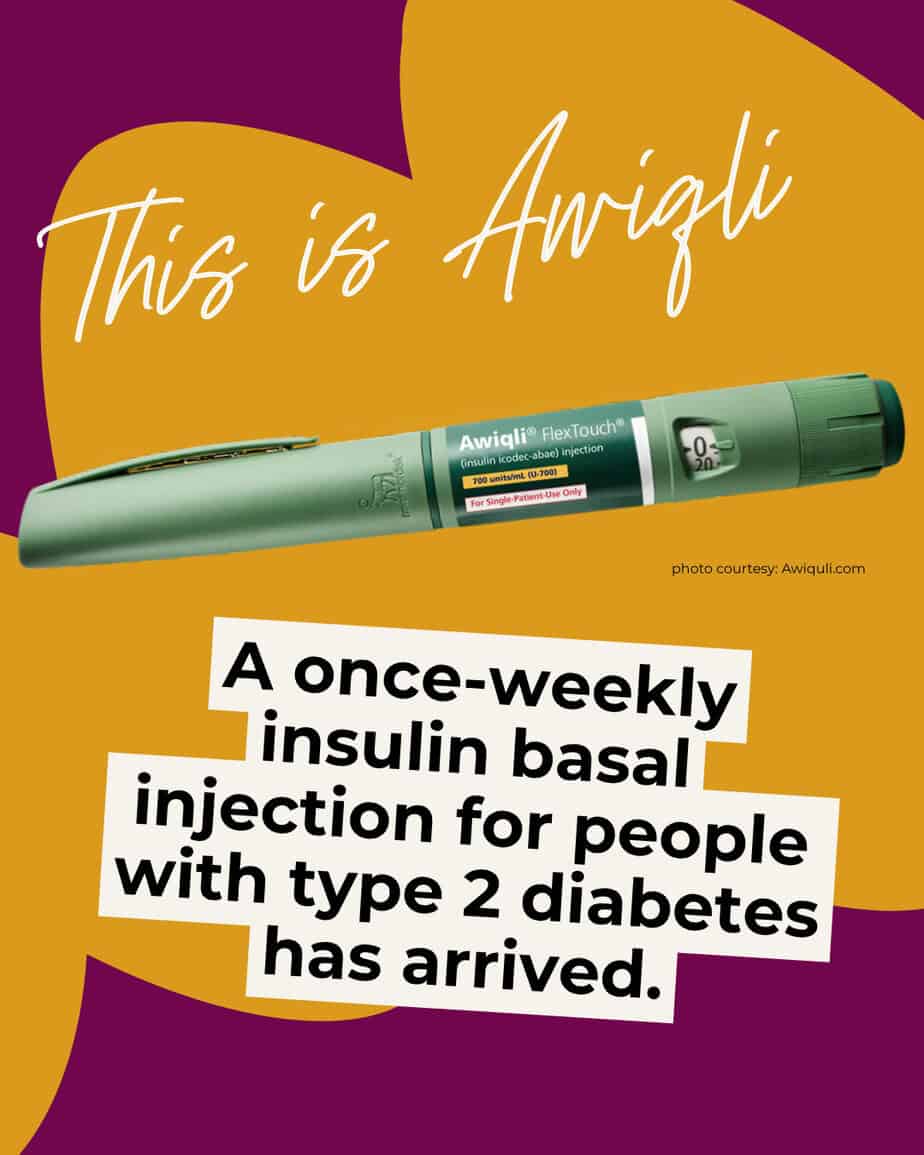
Awiqli, the Once-Weekly Basal Insulin: Why It’s Interesting, What to Consider, and Why Support Still Matters

Awiqli, the first FDA-approved once-weekly basal insulin for adults with type 2 diabetes, could change how some people approach insulin therapy. Here’s what makes it ...
Read More →
Glucose Guide Diabetes Meal Plan

7-Day Diabetes Meal Plan for Better Blood Sugar: A High-Protein Glucose Guide for Real Life

This 7-day diabetes meal plan from Glucose Guide features high-protein, balanced meals designed to support blood sugar, reduce decision fatigue, and make meal planning feel ...
Read More →

Tired of guessing what to eat for blood sugar balance?

Join the list for free weekly meal plans, created by a nutritionist that fit real life with diabetes. Plus, access our carb counting tools.

Healthy, tasty foods!

Sign up for good-for-you recipes!

Secured By miniOrange