

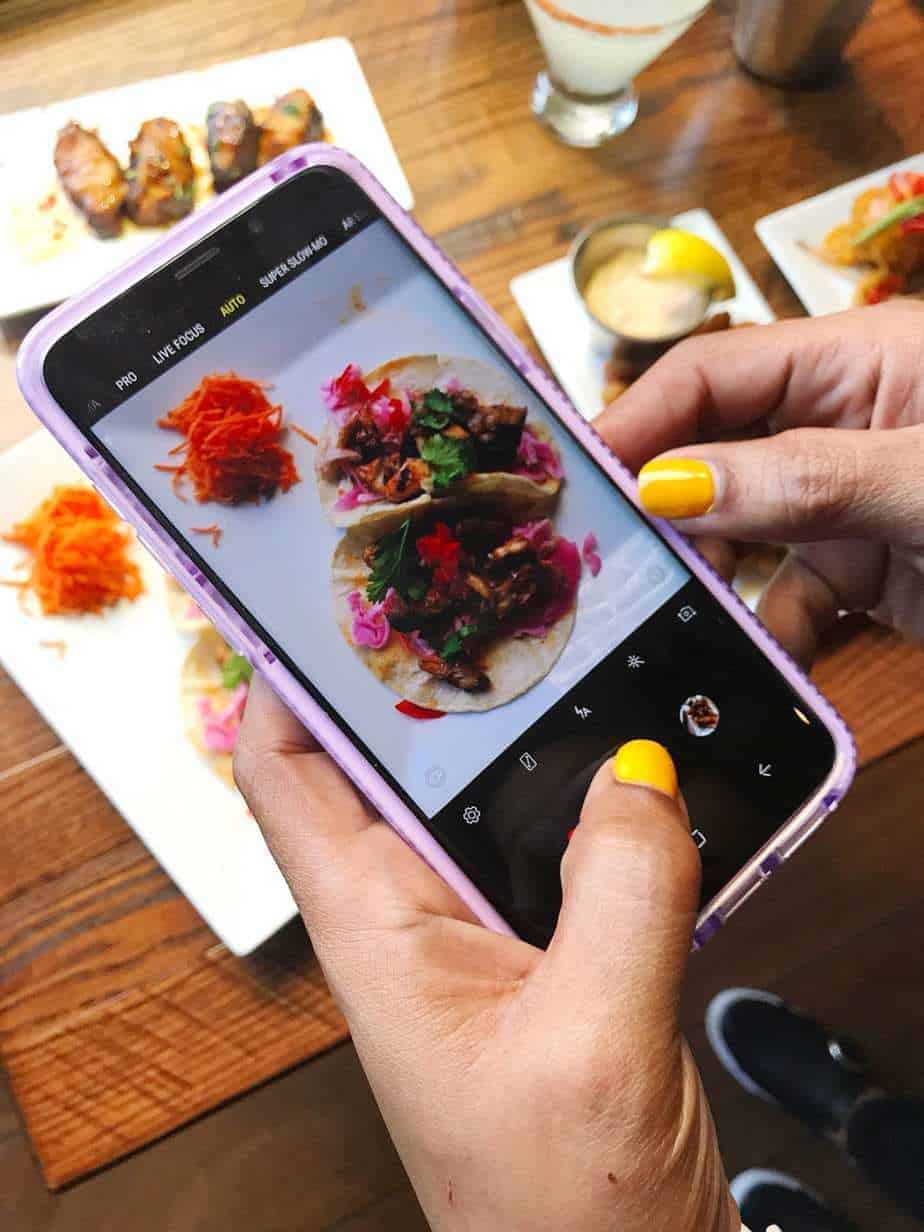

I work with a lot of sponsored content on my blog and Instagram, and sometimes I wonder if people can tell what I like and I’m recommending on my own, vs what I like and I’m being paid to recommend. Disclosures are a really important part of that balance.
There’s a really important distinction for this because it can lead to legal repercussions for influencers, including fines. The FTC has strict endorsement guides, and you should read up on them, and be sure to follow them carefully.
The basis of the rule is this: if someone you knew were to recommend a product to you because they liked it, it would probably sway your opinion of the product. If someone you knew recommended a product but told you that they worked for the company, or were paid for the product itself, that would probably give you some pause – there has to be a bias there, right?
Well, that’s why disclosing your partnerships, gifts, and any monetary exchanges are important. All people reading the endorsement of your product should know if your endorsement was influenced by money or free product.
The FTC says that “the guiding principle is that it has to be clear and conspicuous.” Basically, if you’re trying to hide your disclosure at all, you’re putting yourself at risk.
I hear bloggers say all the time that disclosures are unimportant because they only recommend things that they personally love. That may be true, but if you are paid for that product, you need to be specific and transparent with your readers in letting them know that you’re trying the product without any risk and making a profit. Even if gifts or money wouldn’t change your review, the person who is being advertised to deserves to know and you’re responsible for making sure they do. The mere mention of a product can be an endorsement and it is safer to make sure you disclose than to guess and be penalized down the line.
Additionally, it’s not up to the advertiser you’re working with to provide information on disclosures, you should know how to properly disclose your partnerships, and you should make sure that there is 100% consistency in how you do it. At the end of the day, if your disclosures aren’t properly done, the responsibility is on you. I will say that I’ve worked with many brands that have provided this clarity, and it has helped me learn the proper language for my posts.
Here’s a handy guide that I use for each one of my mediums.
Disclaimer: The below is not intended to be legal advice, and you should not take it as such.
Blog:
If I have a blog sponsor for a particular piece, I’m always sure to disclose at both the top and bottom of my post. It is not enough for you to disclose your partnership. You must be clear about your partnerships. If you received free product, say that. If you received a free meal for your review, you need to disclose that, if money exchanged hands, you certainly need to make mention of it. I do it like this:
Sponsored Post: As a note to my readers, _______ gave me this product to try and compensated me for my review. All opinions from here forward are my own, and I only recommend products I truly believe in.
Social Media: For all social platforms, your disclosure must come first, and it must be clear. This goes for paid and sponsored content, free gifts or affiliate links. You must state the nature of your relationship whether you were compensated with cash or product.
On Facebook, I use a similar disclosure to my blog. Although it makes my post longer, it’s much more important to be upfront with my audience about my work.
____ is sponsoring today’s post! They gave me this product as a gift to try out and review for you guys!
For Instagram, it’s very critical to be up front. Most disclosures on Instagram are done incorrectly and need to be more upfront. Hashtags like “ad”, “sponsored” or “partner” are acceptable; however, the sponsored information needs to come above the fold – you shouldn’t have to click “see more” to know if the post is paid or not. Here’s an example of how I did this with a recent giveaway, where I was given free product for posting.
Instagram Stories
Similar to your Instagram feed, you must be clear in stories when you are posting something for free product or payment. Make sure that the words “ad” or “sponsored” are clearly displayed in every story about the product. You need to disclose throughout your recording.
Twitter follows similar guidelines as Instagram. You have fewer characters to disclose, but you must do it at the beginning of your tweets, and let your reader know up front.
A special note for foodies: If you are comped a meal at a restaurant for any reason, and you write a review, it is critical that you disclose that information. It is not enough to say “Thanks for inviting me out _____!” or “I had a great dinner at ____.” You need to actively tell your audience what your relationship is, or else you are not following the FTC guidelines.
I hope this blog helps you when it comes to partnerships and properly disclosing your information. Read up on the FTC Rules, and let me know in the comments below if this helped you understand a little bit more about the requirements for transparency.



6 Responses
Great article, just pinned it to have an easy access to it. Thanks
This post is so helpful! I see this question come up a lot, especially with newer bloggers. Some bloggers don’t even realize you have to do this! I’m definitely pinning this and sharing it with my followers. It’s such an important topic.
I haven’t started partnering with anyone yet, but this is awesome info to have!
This is such an helpful article for every blogger, it’s so important to disclosure things correctly
This is definitely very helpful, I haven’t done a sponsored post yet but it’s good to know what I have to do just in case
This is such a great resource for other influencers! The rules can be so confusing so it’s nice to have it all laid out.