

Get A Free, Weekly Diabetes Meal Plan
And have your carb counting done for you
Food Journal, Free Barcode Scans, and Nutrition Support in the Glucose Guide App.
b l o g


Diabetic Retinopathy: what you need to know

mil standing in kitchen setting table
The earlier diabetic retinopathy is diagnosed, the better.

Share

This blog post is sponsored by Regeneron. Visit LookToYourFuture.com to learn more about diabetes-related eye diseases.

Ever wonder why your eye care team usually asks when your last eye exam was?

For people with diabetes, regular eye exams can help us assess our risk for retinal diseases like Diabetic Retinopathy (DR).

If caught early, vision loss associated with DR is preventable. That’s why assessing risk is crucial to seeing initial signs and learning potential treatment options.

Here’s what you need to know about Diabetic Retinopathy.

What is diabetic retinopathy?

Diabetic Retinopathy is a retinal disease that affects people with diabetes as they age.

DR is caused when too much blood sugar from diabetes damages the blood vessels of the retina. The blood vessels can bulge, weaken, and leak blood into your retina, which can cause vision loss.

What are the first signs of diabetic retinopathy?

You may have no symptoms in the early stages of DR. However, as DR develops, noticeable symptoms may include:
• Blurriness in the center of vision
• Blind spots or patches
• Straight lines that look wavy
• Colors that look dull or washed out

How is diabetic eye disease diagnosed?


Your eye doctor may use several tests to help properly diagnose diabetic eye disease:

Visual Acuity Test

This test measures how well you see the letters on an eye chart from a distance.

Dilated Eye Exam

Your doctor puts drops into your eye to dilate (widen) the pupil. He or she can then see in the back of the eye, including the retina, for signs of problems or changes.

Tonometry

This test measures the pressure inside your eye. High eye pressure may signal potential eye disease.

Fluorescein Angiography

Dye is injected into a vein in your arm. The dye lets your eye doctor see the blood vessels in your eye to check for leaks or changes in the retina.

Optical Coherence Tomography

This scan shows the layers of the retina and measures retinal thickness. It can help show your eye doctor if fluid is within or under the retina.

Fundus Photography

This test lets your eye doctor look closely at your retina by taking pictures of the back of the eye.

Even if you don’t have symptoms of diabetic eye disease, these tests can help determine your risk.

How is diabetic retinopathy treated?

Diabetic Retinopathy can be treated in multiple ways.

First, by self-care through blood glucose management with diet, exercise and medications. Depending on the scope and progression of the disease, various treatment options are available.

What happens if you don’t treat diabetic retinopathy?

Untreated diabetic retinopathy damages your eye’s retina. Your eye will try to grow new blood vessels but they won’t develop well. You could also see increased vision loss.

How do I know if I’m experiencing DR?

In addition to monitoring for symptoms, it’s important to keep up with annual eye checkups and talk with your doctor openly about any noticeable changes in vision.

The earlier diabetic retinopathy is diagnosed, the better.

Want to learn more about Diabetic Retinopathy and vision loss? Visit LookToYourFuture.com!

Go ad-Free with
glucose guide app

Transform the way you manage diabetes with free tools and support designed just for you from a board certified health coach.

🥐 Carb estimation and analysis tools.
🍳 Cook with Confidence: Meal plans, grocery lists + carb tracking.
💡 Coaching at Your Fingertips: Expert guidance to stay on track
🤝 Join a Thriving Community: Connect with others who get it
💪 Build Your Confidence: Take charge of your health with ease
🚫 No Display Ads 

Feel supported, empowered, and in control.

Leave a Reply

Your email address will not be published. Required fields are marked *

Another serving?

Desserts

Blueberry Cottage Cheese Cheesecake Recipe

This blueberry cottage cheese cheesecake is a creamy, higher-protein dessert made with cottage cheese, Greek yogurt, blueberries, and jam. Learn why it can be a more balanced dessert option for people with diabetes, plus get easy tips for portions and blood sugar awareness.

Read More
mil standing in kitchen setting table

Diabetic Retinopathy: what you need to know

The earlier diabetic retinopathy is diagnosed, the better.
Share the Post:

More to devour

Weekly meal plans for your inbox

Strawberry lemonade ice pops stacked on top of each other.
Picture of Mila Clarke, MS, NBC-HWC

Mila Clarke, MS, NBC-HWC

Mila Clarke is a Board Certified Health and Wellness Coach, an author, self-taught cook, nutritionist and Integrative Nutrition Diabetes Health Coach, diabetes advocate and founder of Hangry Woman and The Glucose Guide App. Hangry Woman aims to take away the shame and stigma that comes with a diabetes diagnosis and covers topics like diabetes management, cooking, and self-care from the perspective of someone living with the chronic condition. Her book –– The Diabetes Food Journal –– Is one of the most sought after diabetes self-management tools for patients. Her online community – Glucose Guide – offers affordable health coaching, hundreds of diabetes-friendly recipes and community peer support. Mila has been featured by CNN, The New York Times, Eat This Not That, USA Today, Good Housekeeping and WebMD. She contributes to Healthline, The Washington Post, DiaTribe, and EatingWell Magazine. Mila lives in Houston, Texas with her Miniature Poodle, Noodle.

High-Protein Diabetes Meal Plan for the Week: A Simple, Balanced Menu With More Snack Variety

A high-protein diabetes meal plan can make it easier to build balanced meals, stay full longer, and support steadier blood sugars. This week’s menu includes ...
Read More →

Blueberry Cottage Cheese Cheesecake Recipe

This blueberry cottage cheese cheesecake is a creamy, higher-protein dessert made with cottage cheese, Greek yogurt, blueberries, and jam. Learn why it can be a ...
Read More →
spicy tuna salad

Spicy Tuna Salad for Diabetes: An Easy, High-Protein Lunch for Busy Days

This spicy tuna salad is an easy, single-serving lunch idea for people with diabetes. It is packed with protein, simple to make, full of flavor, ...
Read More →
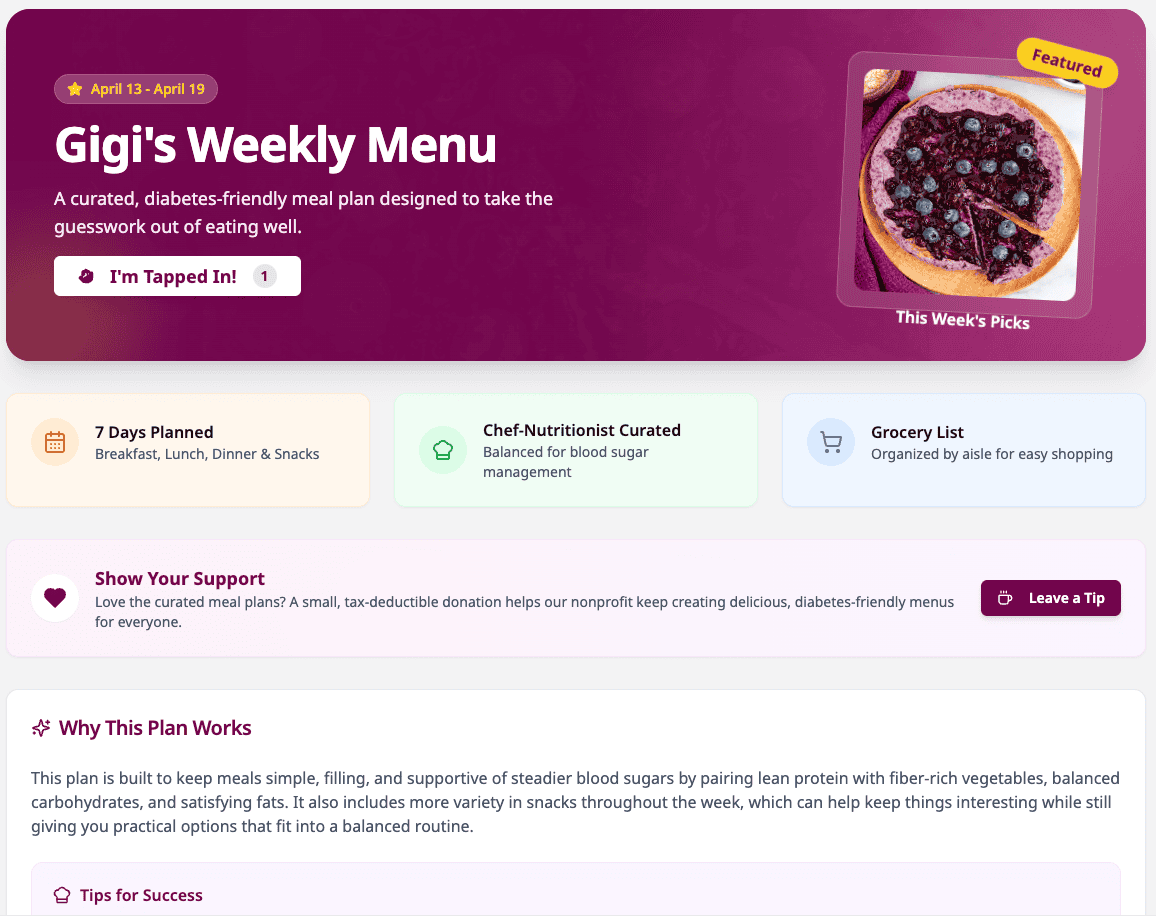
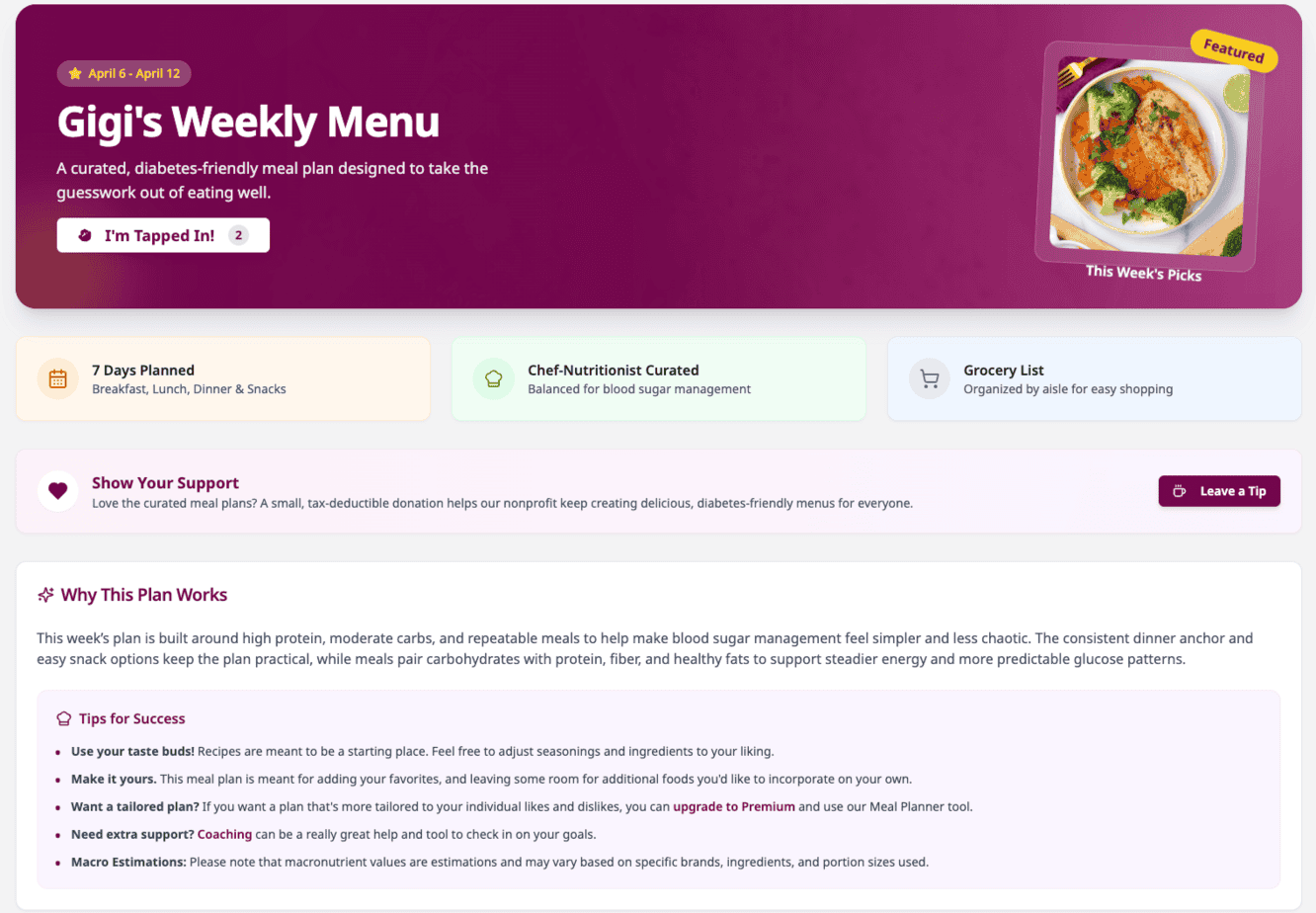
Glucose Guide Diabetes Meal Plan

Diabetes-Friendly Meal Plan for the Week: Why It Works for Stable Blood Sugars

This week’s diabetes-friendly meal plan is built around high-protein meals, fiber-rich ingredients, intentional carbs, and repeatable dishes that can help support steadier blood sugars. Here’s ...
Read More →

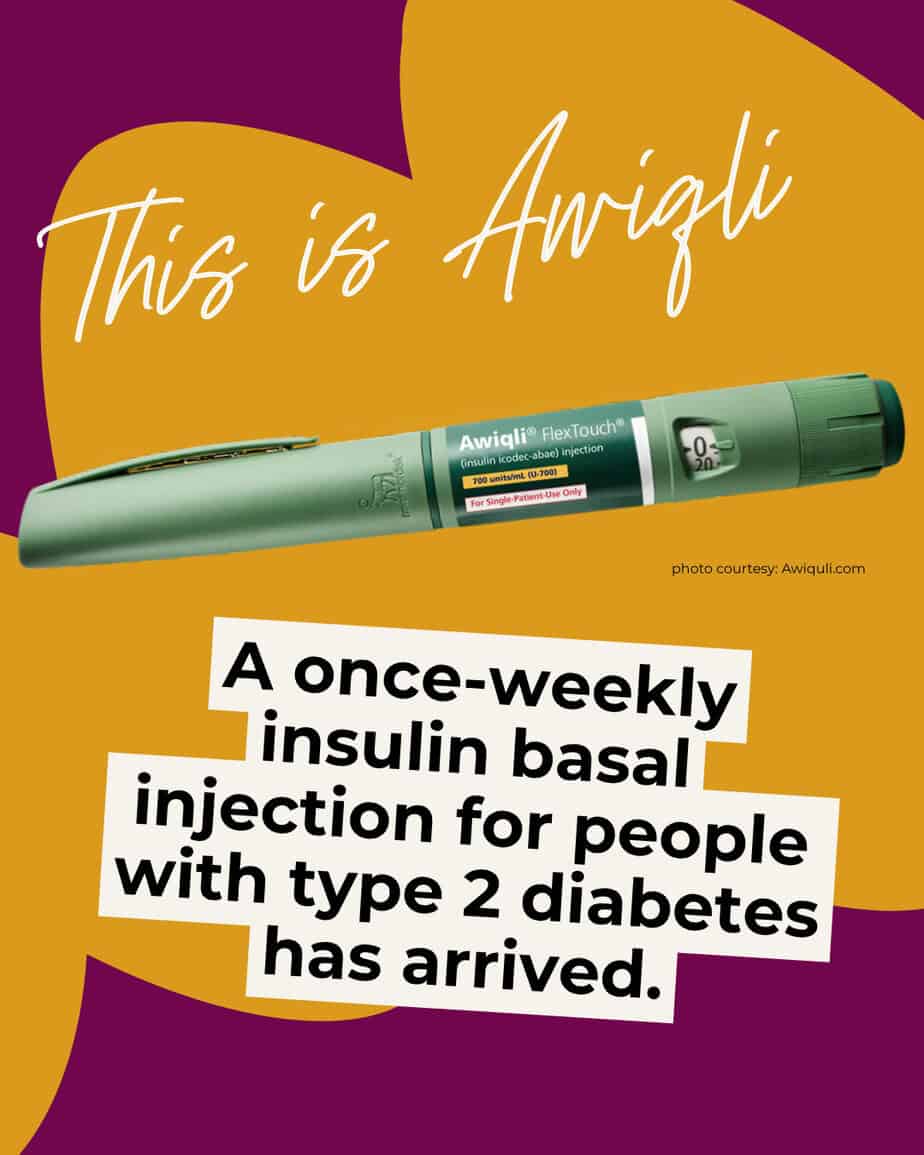
Awiqli, the Once-Weekly Basal Insulin: Why It’s Interesting, What to Consider, and Why Support Still Matters

Awiqli, the first FDA-approved once-weekly basal insulin for adults with type 2 diabetes, could change how some people approach insulin therapy. Here’s what makes it ...
Read More →
Glucose Guide Diabetes Meal Plan

7-Day Diabetes Meal Plan for Better Blood Sugar: A High-Protein Glucose Guide for Real Life

This 7-day diabetes meal plan from Glucose Guide features high-protein, balanced meals designed to support blood sugar, reduce decision fatigue, and make meal planning feel ...
Read More →

Tired of guessing what to eat for blood sugar balance?

Join the list for free weekly meal plans, created by a nutritionist that fit real life with diabetes. Plus, access our carb counting tools.

Healthy, tasty foods!

Sign up for good-for-you recipes!

Secured By miniOrange