

Managing diabetes can often feel like walking a tightrope—balancing blood sugar levels, medications, meals, and physical activity. For many, this journey is made easier and more successful with the support of community health workers (CHWs).
These unsung heroes play a pivotal role in helping individuals and communities manage chronic conditions like diabetes.
Let’s dive into how CHWs make a difference and how they can help with diabetes management goals.
Who Are Community Health Workers?
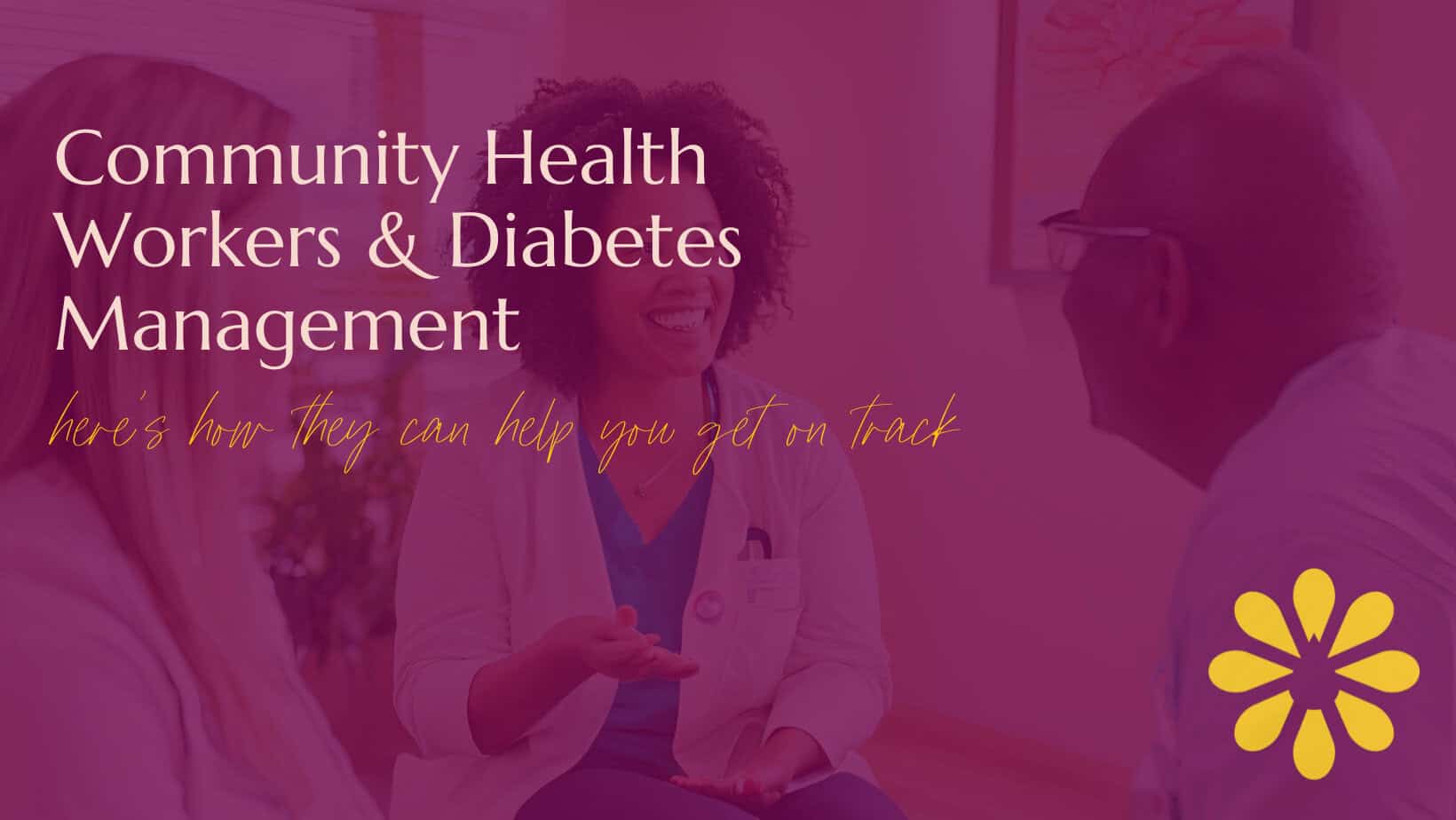
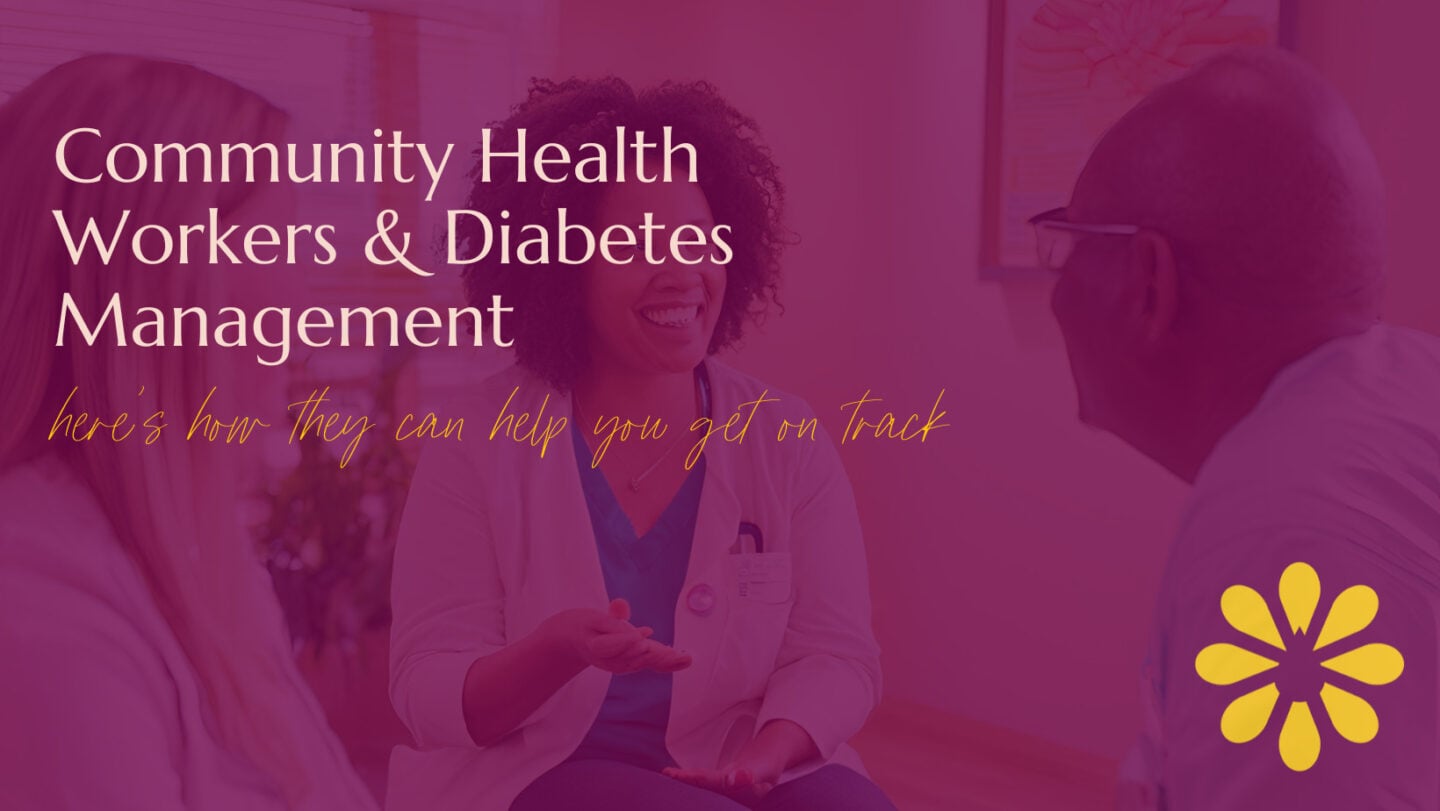
Community health workers are trusted members of the communities they serve. They act as a bridge between healthcare providers and patients, ensuring that individuals have the resources, knowledge, and support they need to manage their health.
While their specific roles can vary, CHWs often:
- Provide education about diabetes and its management.
- Help patients navigate the healthcare system.
- Offer emotional support and counseling.
- Connect individuals with local resources, such as food banks, exercise programs, or diabetes support groups.
- Conduct home visits to ensure patients are following care plans.
Their work is deeply rooted in cultural competence and trust, making them especially effective in reaching underserved and diverse populations.
The Role of Community Health Workers in Diabetes Care
Diabetes is a condition that requires daily attention and long-term management. CHWs help individuals address these challenges through:
- Education and Awareness
CHWs provide clear, practical education tailored to their community’s needs. They break down complex topics like carbohydrate counting, blood sugar monitoring, and the importance of regular check-ups into understandable steps. This empowers patients to make informed decisions about their care. - Improved Access to Care
For many people, barriers like transportation, language differences, or lack of insurance can prevent consistent diabetes care. CHWs often assist with scheduling appointments, translating medical advice, and finding affordable care options. This improves access to the tools and services necessary for managing diabetes. - Building Trust and Cultural Relevance
Many healthcare systems struggle with building trust, especially in historically underserved communities. CHWs—who often share the same cultural background as the individuals they serve—can bridge these gaps. They ensure care is culturally relevant and respectful, which can lead to better engagement and outcomes. - Promoting Lifestyle Changes
From advocating for healthy eating to encouraging regular exercise, CHWs motivate individuals to adopt lifestyle changes that improve blood sugar control. They may lead cooking classes, organize walking groups, or help families create diabetes-friendly meal plans. - Reducing Health Disparities
Diabetes disproportionately affects certain populations, including Black, Hispanic, and Indigenous communities. CHWs work within these communities to address social determinants of health—such as access to healthy food, safe spaces for physical activity, and affordable healthcare—helping to close the gap in diabetes outcomes.
Real-Life Impact of CHWs on Diabetes
Numerous studies have shown the positive impact of CHWs on diabetes management:
- Researchers evaluated the role of CHWs and how they play a strong role in education and advocacy for people with type 2 diabetes1.
- Another study highlighted that CHWs helped improve medication adherence, leading to better blood sugar control and fewer diabetes-related complications2.
- In underserved areas, CHWs have been instrumental in increasing participation in diabetes education programs, which are critical for long-term management.
How to Find a Community Health Worker
If you’re living with diabetes, finding a community health worker can provide valuable support. Here are some steps to help you locate one:
- Ask Your Healthcare Provider: Many clinics and hospitals have CHWs on staff or can refer you to local programs.
- Check with Local Health Departments: Many public health departments offer CHW programs or can connect you to nearby resources.
- Explore Federally Qualified Health Centers (FQHCs): These centers often employ CHWs to assist patients with chronic disease management.
- Search Nonprofit Organizations: Groups focused on diabetes care like Diversity In Diabetes, or local diabetes advocacy organizations, may have information about CHW services.
- Look Online: Use directories like the National Association of Community Health Workers to find professionals in your area.
Questions to Ask When Working with a CHW
When you begin working with a CHW, it’s important to ensure they’re a good fit for your needs. Consider asking:
- What experience do you have working with people with diabetes?
- How can you help me create a diabetes management plan that fits my lifestyle?
- What local resources can you connect me with?
- How often will we meet or communicate?
- How do you handle emergencies or urgent questions?
- What role do you play in coordinating my care with other healthcare providers?
These questions can help you establish clear expectations and ensure that you’re getting the most out of your relationship with your CHW.
Final Thoughts
Community health workers are a vital piece of the diabetes care puzzle. By bridging gaps, fostering trust, and providing culturally relevant support, they empower individuals to take control of their health and lead better lives. If you’ve ever felt overwhelmed by diabetes management, know that CHWs are here to help you navigate the journey—every step of the way.
If you want more resources, and 1:1 diabetes health coaching, join my free diabetes community, Glucose Guide. You’ll gain community, confidence, cooking skills and coaching in one place.
References
- Egbujie BA, Delobelle PA, Levitt N, Puoane T, Sanders D, Van Wyk B. Role of community health workers in type 2 diabetes mellitus self-management: A scoping review. PLoS ONE. 2018;13(6):e0198424. doi:10.1371/journal.pone.0198424
↩︎ - Newman PM, Franke MF, Arrieta J, et al. Community health workers improve disease control and medication adherence among patients with diabetes and/or hypertension in Chiapas, Mexico: an observational stepped-wedge study. BMJ Global Health. 2018;3(1):e000566. doi:10.1136/bmjgh-2017-000566 ↩︎